





By Adam Baker, Tek Stil Concepts
Dry adhesive technology continues to redefine modern flooring installation, driven by advancements in full-surface systems. While high-quality formulations of contact tape have long been established for transitions, wall base, commercial stair treads and similar applications, full-surface dry adhesives are now being engineered for fast-track performance across nearly every flooring category. As demand for fast-track installation grows, the industry is turning to these systems for their speed and reliability.
What Are Dry Flooring Adhesive Systems?
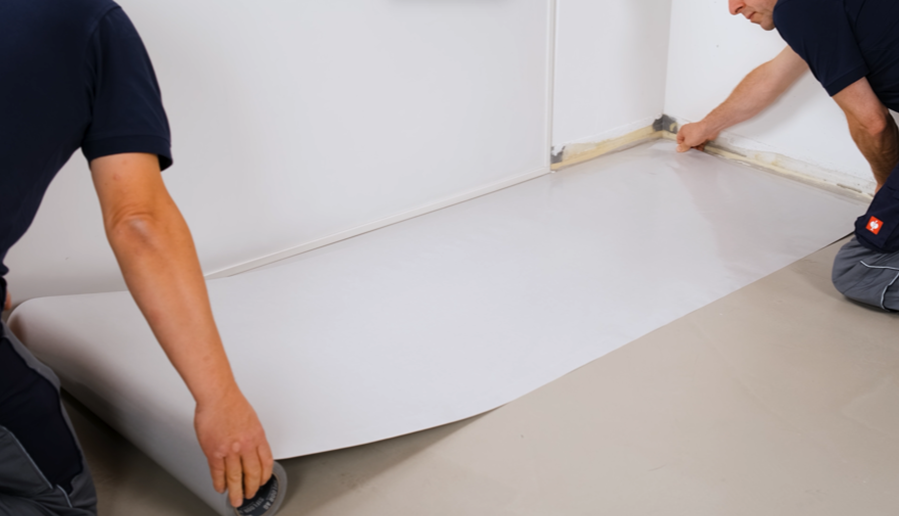
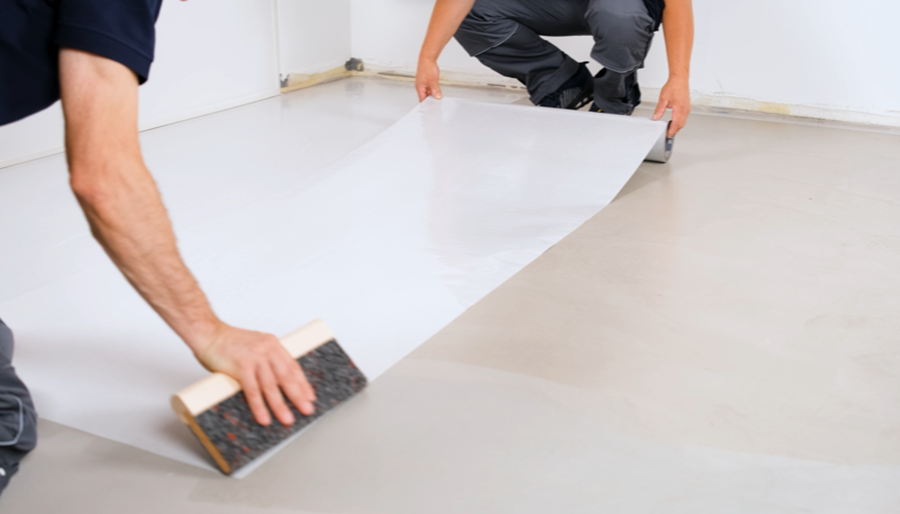 Dry adhesives are double-sided, pressure-sensitive adhesives designed to bond flooring without open time, cure time, mixing or trowels. One side adheres to the subfloor, while the other—at first covered by a protective release liner—bonds to the flooring. Depending on the product design, each side may use the same adhesive formulation or be engineered differently to meet specific performance requirements.
Key Advantages
Dry adhesive systems offer practical on-site benefits designed to significantly improve productivity:
- Immediate return to service: Flooring can be walked on or rolled over right away, eliminating downtime and keeping operations moving.
- Fast-track installation: No drying, curing or open time waiting.
- Cleaner, healthier application: Zero VOCs, no odors, no mixing and no trowel cleanup.
- Lower installation cost: Fewer steps, less labor and minimal downtime can reduce total project expense.
- Consistent, reliable results: Uniform adhesive thickness eliminates spread-rate variation, trowel inconsistencies, glue lines and open time errors.
- Ideal for occupied environments: Work can continue in schools, hospitals, offices and retail areas with minimal disruption. Foot traffic can remain on the protective release liner until flooring is placed.
Types of Dry Adhesive Technologies
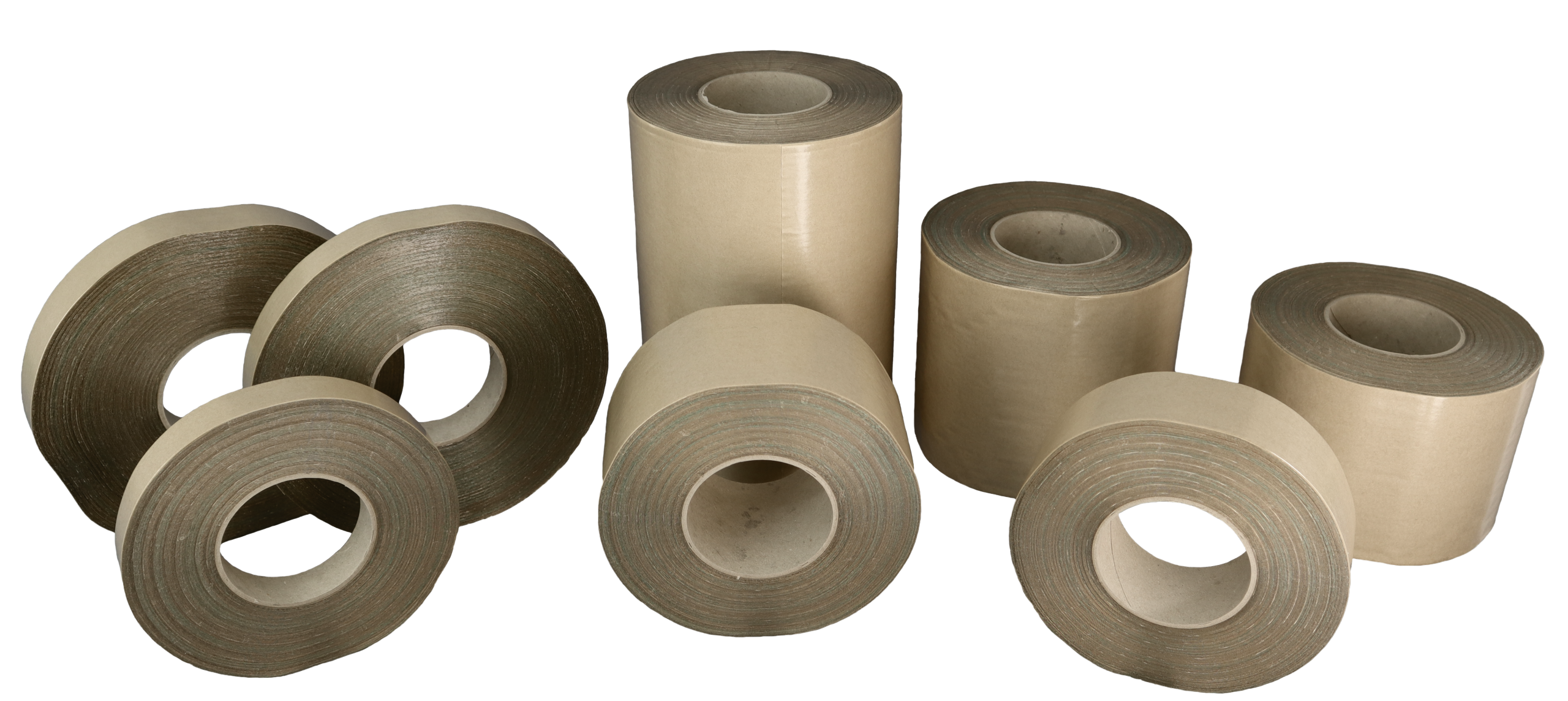
 Dry adhesive solutions fall into two principal categories:
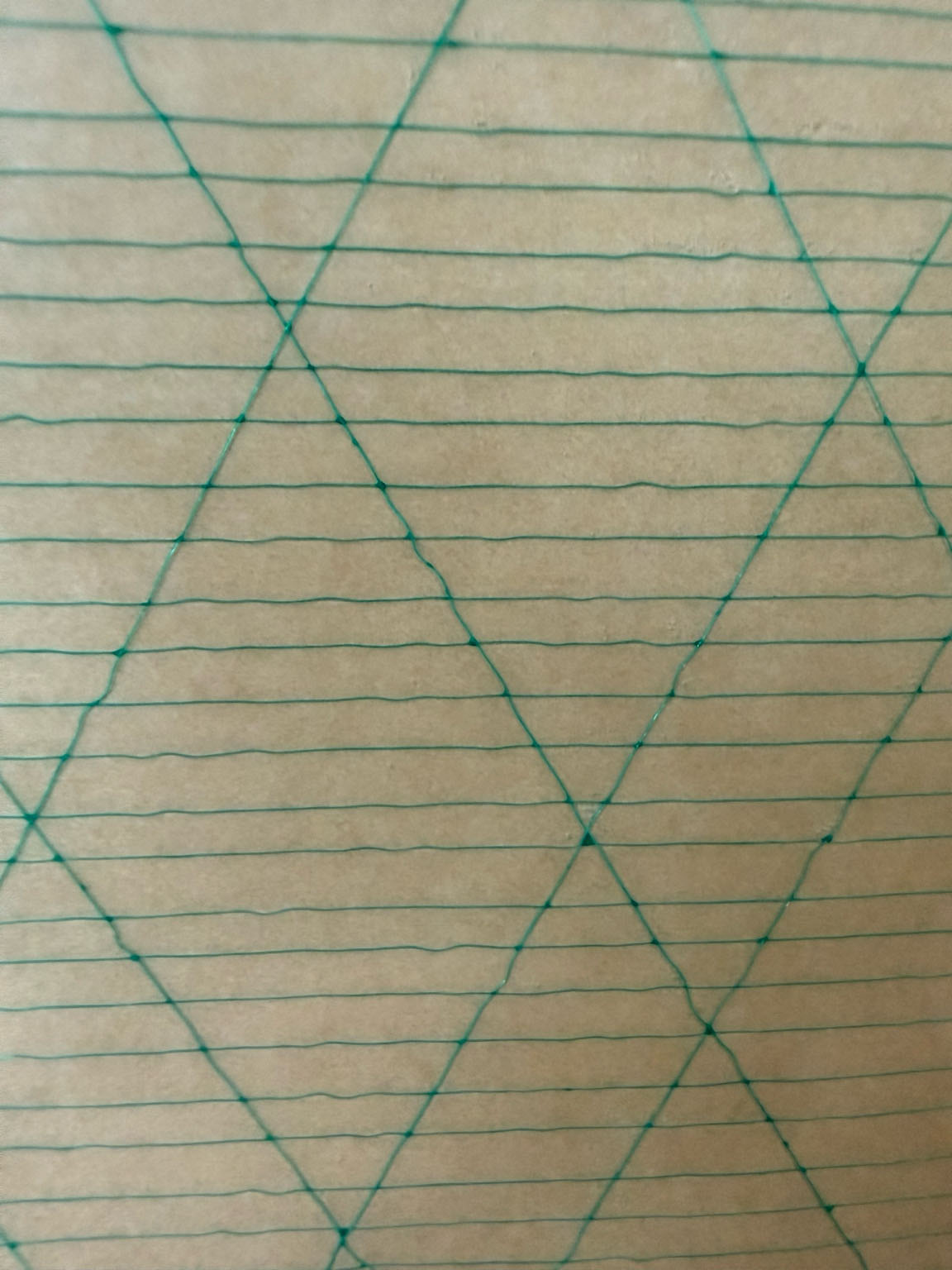
Type I: Scrim-Reinforced Contact Tapes. High-quality versions of these tapes consist of pressure-sensitive acrylic adhesive coated onto a fiber scrim and are commonly available in widths from 1” to 9.5”. They are used for:
- Transitions
- Vinyl, rubber and carpet wall base
- Flash coving
- Commercial stair treads
- Metal moldings and caps
Adhesive formulation, coating weight and processing quality all influence performance. Higher coating weights help fill surface texture and increase bond strength. As with all adhesives, proper surface preparation and acclimation remain essential. Also important to note, this technology has nearly eliminated the use of liquid contact cement within the flooring industry.
Type II: Carrier-Based Full-Surface Systems. Full-surface dry adhesives use a thin carrier such as a fabric, film or foil coated with adhesive on both sides. Available in wider rolls—typically 19.5”, 30” and 39.5”—they provide a uniform bond while eliminating variables associated with trowel-applied or spray adhesives.
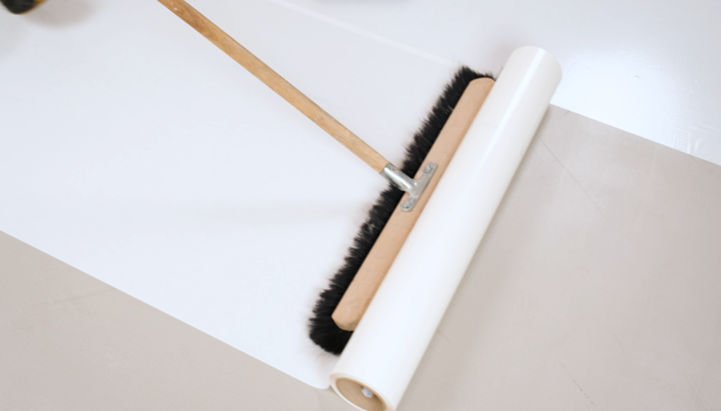
 These systems may be formulated for universal performance or optimized for specific flooring types such as carpet, vinyl, rubber or other resilient materials. Some versions are engineered for extreme moisture tolerance, eliminating RH and pH testing altogether. Others offer specialized functions such as electrical conductivity for ESD environments or increased dimensional stability for planks and tiles. Fully releasable versions remove cleanly and can eliminate the need for almost all future subfloor preparation.
Full-surface systems can be installed over concrete, wood, metal and many existing floors including vinyl, linoleum, terrazzo, epoxy or low-profile carpet, avoiding disruptive demolition in occupied buildings.
Type II also includes Releasable Full-Surface Systems, which allow flooring to be removed at the end of its lifecycle without damaging or contaminating the substrate, eliminating the need for extensive grinding, scraping, patching, leveling or moisture mitigation during future replacements.
These systems are ideal for interiors that undergo frequent flooring changes, including:
- Hospitals and medical facilities
- Senior living and long-term care
- Rental housing and multifamily properties
- Retail stores and other high-traffic commercial spaces
Since floor prep is often the most expensive part of a replacement, releasable systems offer long-term savings while reducing downtime and disruption.
High-Moisture-Resistant Full-Surface Systems make up the final product family of the Type II category. High-moisture-tolerant and -resistant dry adhesives, with integrated vapor barriers, can allow installation over concrete with no RH or pH limits, eliminating moisture testing and roll-on mitigation. For facilities with moisture-challenged slabs, the ability to install directly over problematic concrete provides both technical and economic advantages. When used within a manufacturer’s approved system, these adhesives also reduce many moisture-related risks traditionally carried by flooring contractors.
Whatever type is ultimately chosen, dry adhesive solutions are engineered to deliver the speed, control and installation efficiency that today’s flooring industry increasingly demands. With products available for high-moisture slabs, occupied facilities, fast-track commercial projects and future replacement cycles, these technologies offer clear value to installers, manufacturers and building owners. Current innovations of dry adhesives are poised to become the preferred standard for modern flooring installations.


