
By Gary Scheidker, director of technical services, Taylor Adhesives, Meridian Adhesives Group
Seams are a fact of life with resilient sheet goods. They are also one of the most common sources of complaints from customers. Obviously, the number and placement of seams will vary from project to project. The method and type of seam sealing required can also vary from flooring to flooring and depends on site requirements.
Seams in resilient flooring can be chemically welded; heat welded or even seam sealed. Always follow the flooring manufacturer’s installation guidelines when it comes to the method. Some flooring products may allow for multiple seam-sealing methods. As a flooring professional it is your responsibility to recommend the best seaming method to your customer so the seam will perform for many years. In many cases, the best method for the flooring and project type will be heat welding.
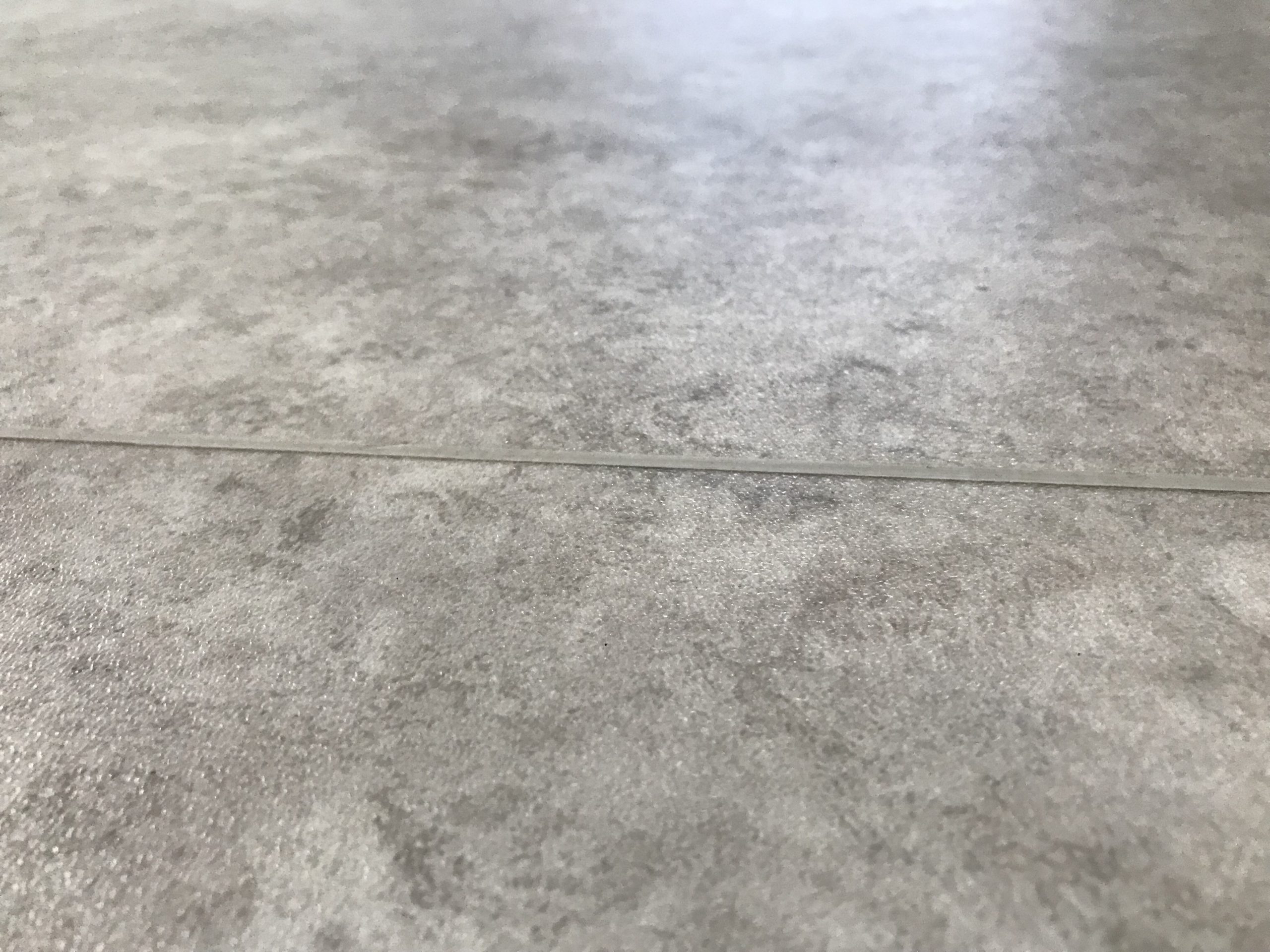
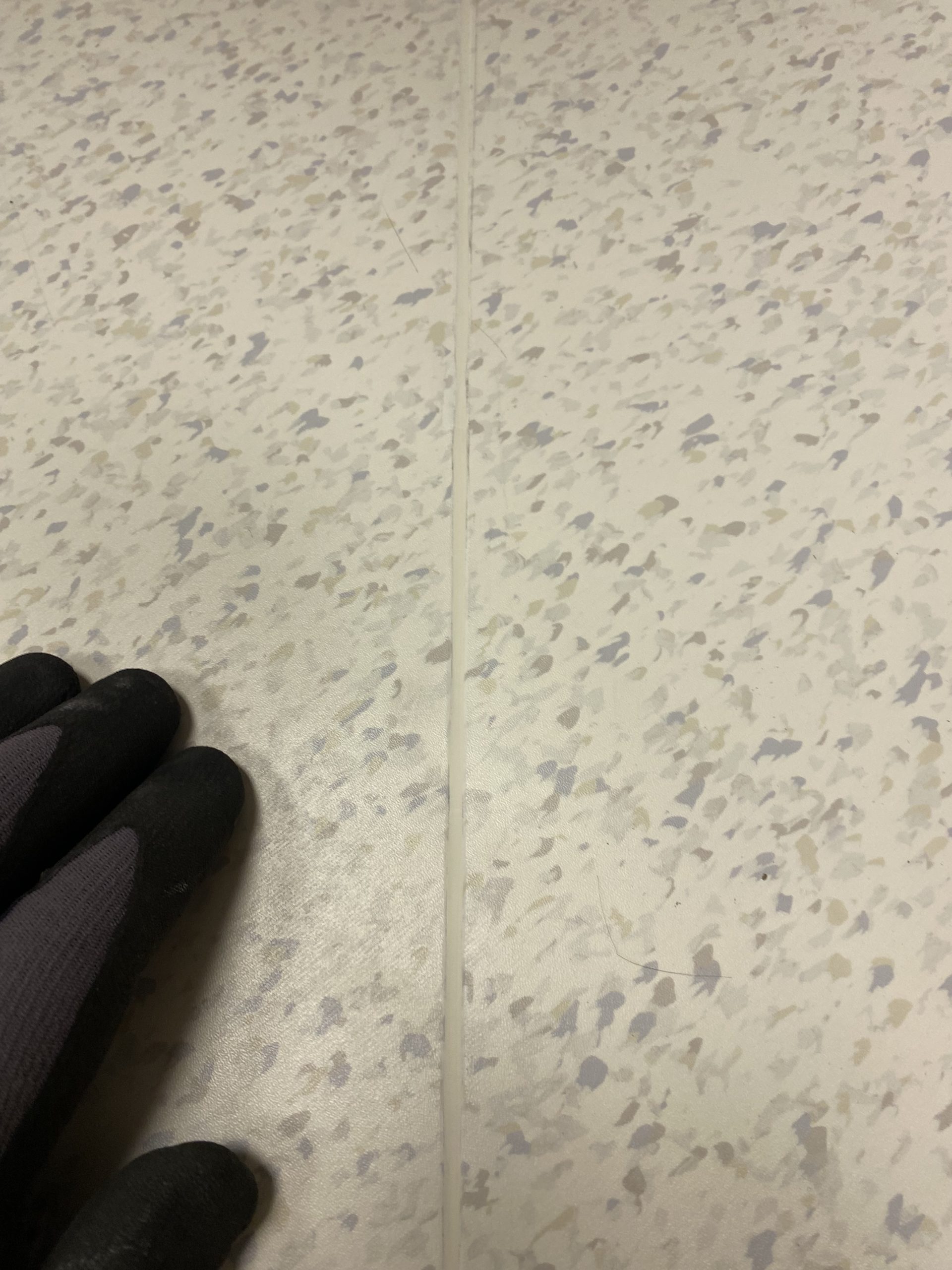
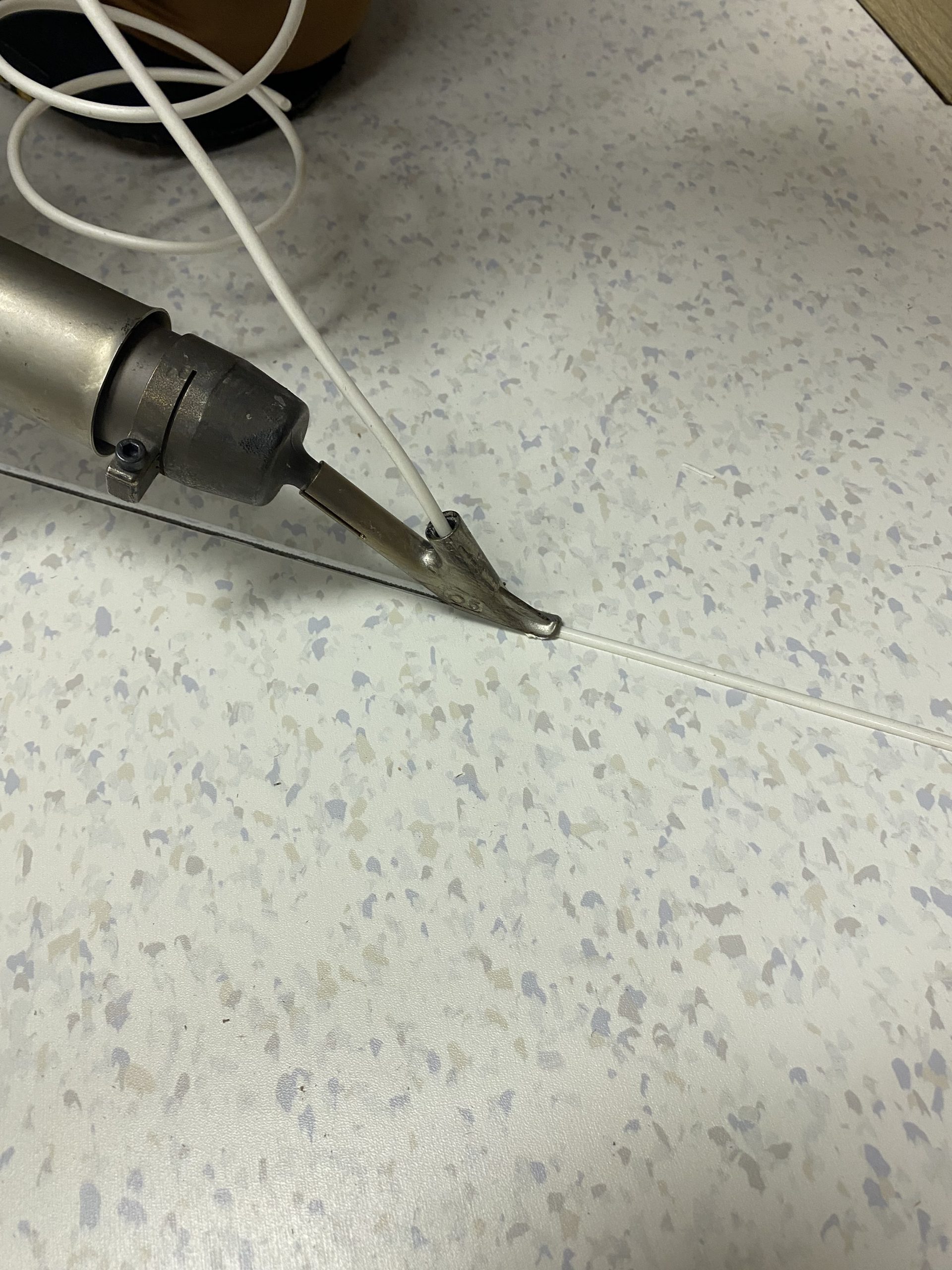
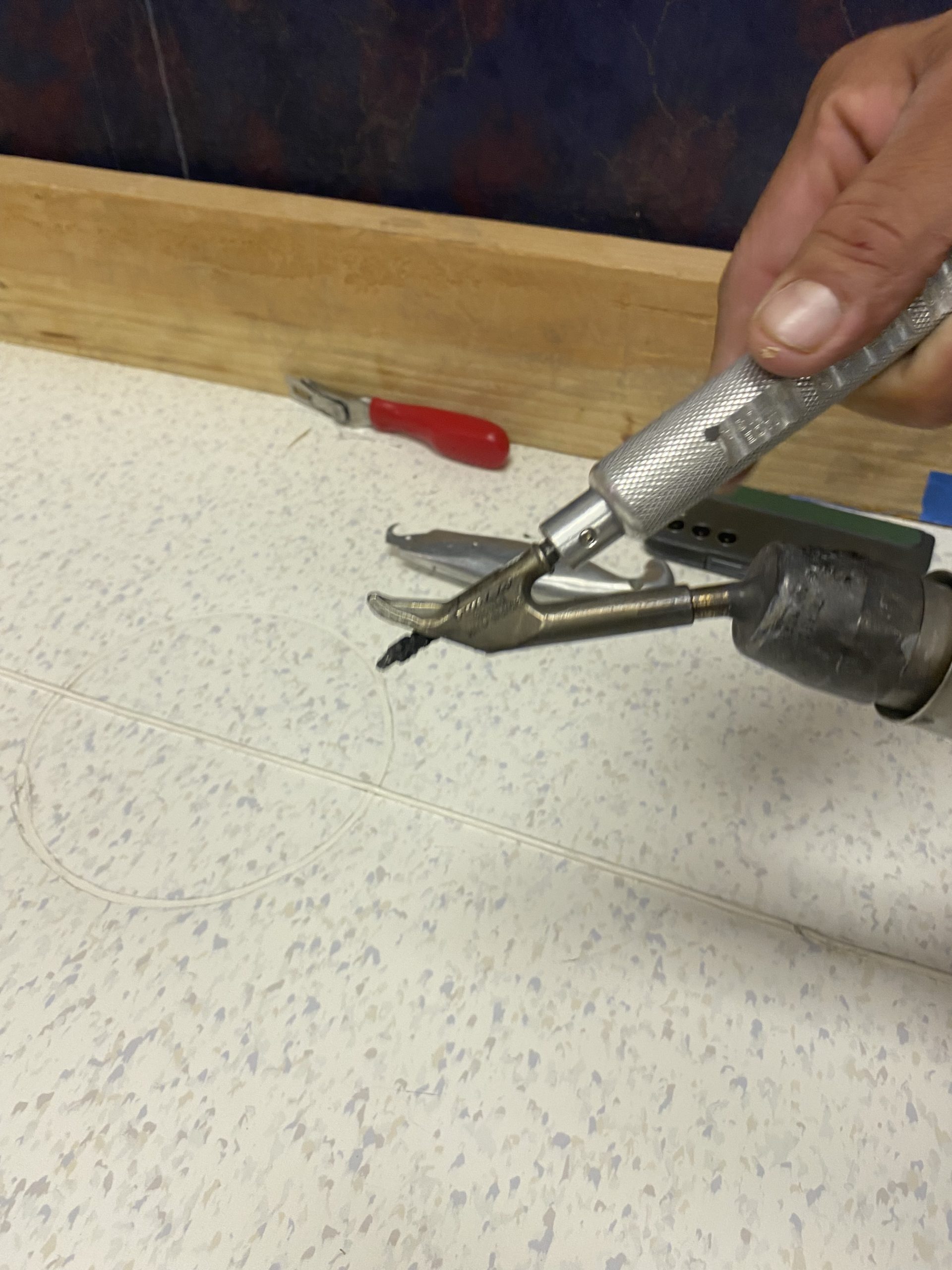 Heat welding provides the most secure and tenacious seam protection for resilient sheet goods, which is why it is the preferred seaming method for critical seams. Heat welding can be performed with homogeneous sheet vinyl, heterogeneous sheet vinyl, rubber sheet goods, linoleum sheet goods and composite flooring products. Heat welded seams will never be invisible since the welding coils will never exactly match the color or pattern of the flooring. Educating your customer will help manage expectations and ultimately result in a more satisfied customer.
The most common applications that require heat welded seams are medical facilities, commercial kitchens, food preparation facilities, laboratories, and computer chip and electronics manufacturing plants. Heat welding is typically required in critical applications where bacteria from biological agents can encounter the flooring. This includes emergency rooms, operating rooms, patient rooms, doctors’ offices and nursing homes. It is not uncommon for operating rooms to require heat welded seams in both homogeneous and heterogeneous sheet goods as well as flash coving. In those cases, the heat weld will carry up the flash cove and may even require welding the wall covering to the flash cove to make a monolithic assembly.
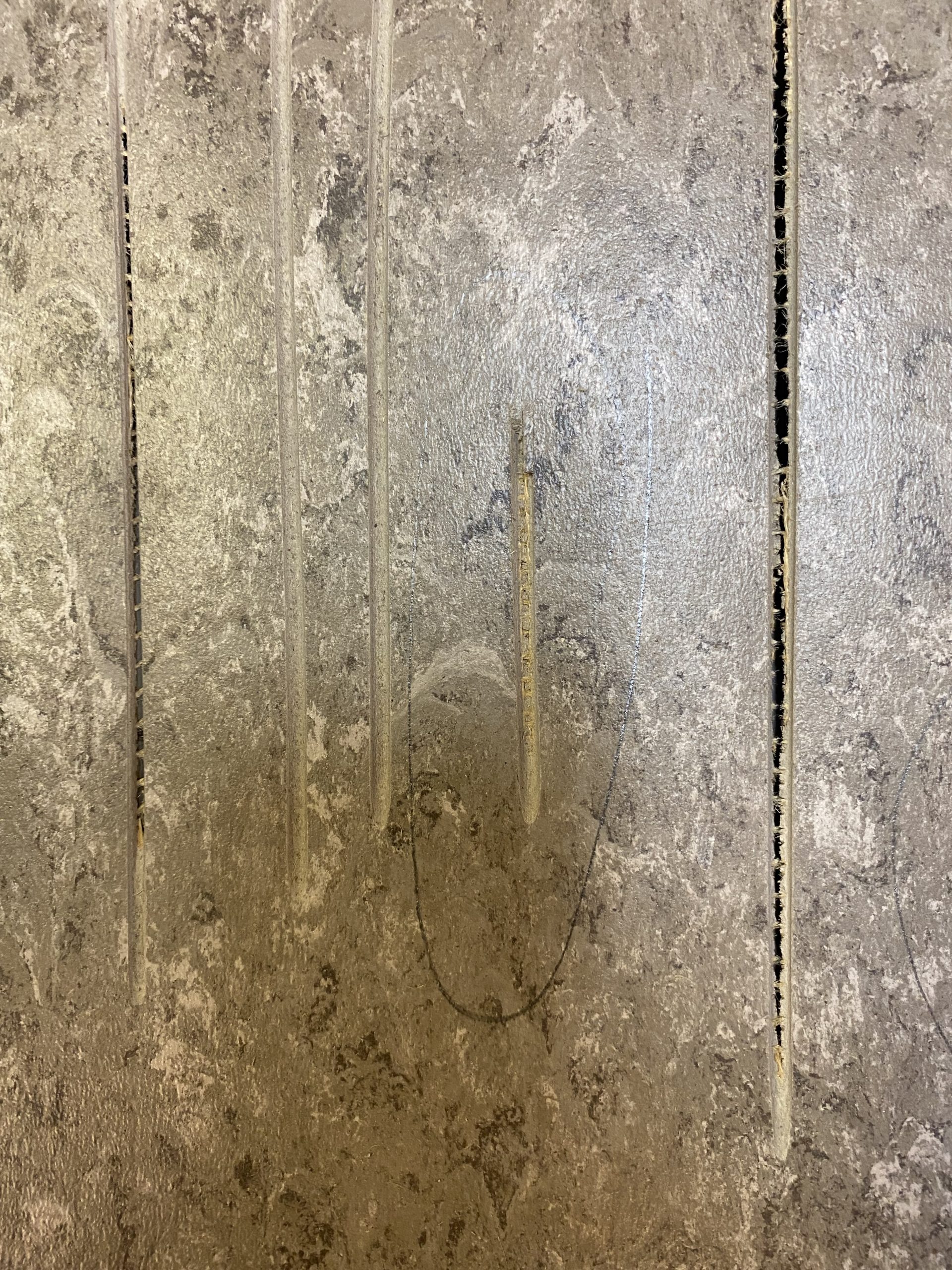
In commercial kitchens and food preparation facilities bacterial growth is also a concern. In these facilities flash cove may be required and possibly heat welded to wall panels. Computer chip and electronics manufacturing require a dust-free environment which will also needs a fail-proof seaming method. As in medical and food preparation sites, flash cove and wall panels may be required. These facilities will typically also require static-dissipating flooring to prevent static build up.
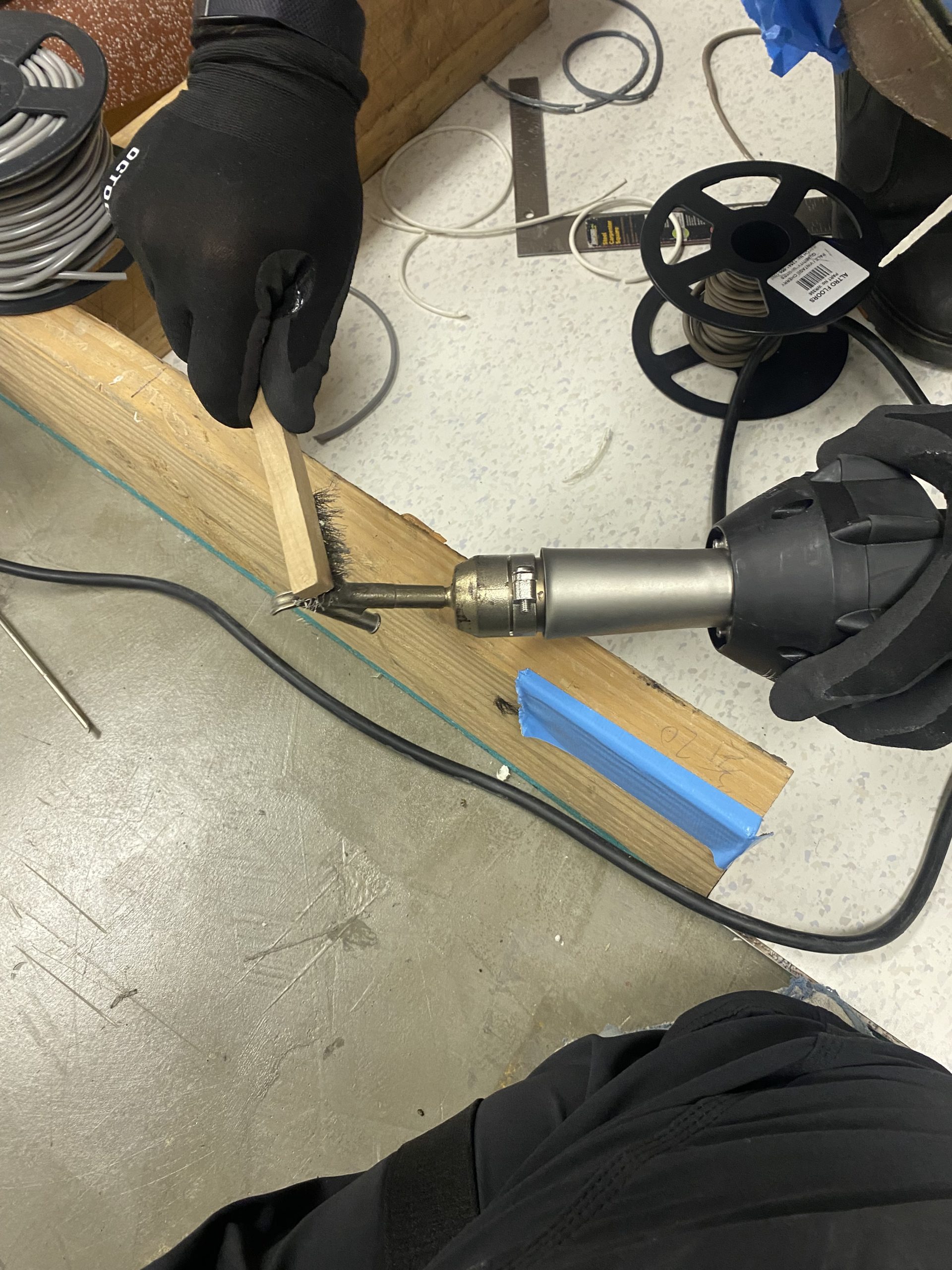
Over the years I have seen heat welded seams performed by highly skilled mechanics that were almost works of art, while others were eyesores. If you run a non-union shop, investing in training for your installation teams is essential in developing the skills needed for a durable and aesthetically pleasing seam. Fortunately, training organizations such as CFI, FCICA, NAFCT, INSTALL and others can provide training for installers who are new to heat welding and help veterans improve their skill levels. The level of training is typically exceptional if you are with a union shop with a good training facility, although skill levels can vary from mechanic to mechanic.
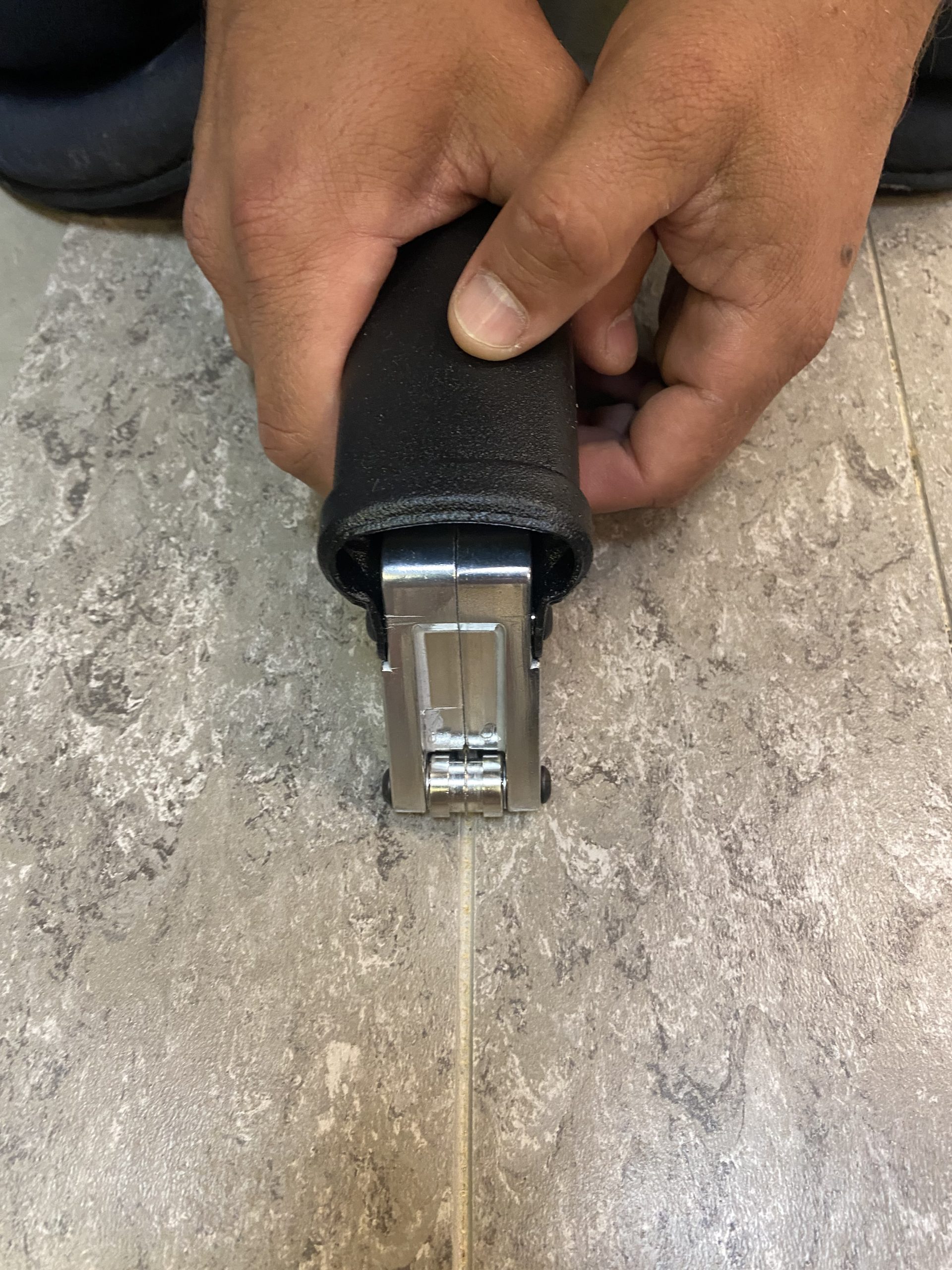
Why choose heat welding for your project? The answer is both difficult and simple. The difficult part is the added cost, since the cost of heat welding is considerably more than chemical welding. If your competition is bidding on the project with a chemical weld they may undercut you. Also keep in mind heat welded seams will be more visible than chemically welded seams even when they are done right.
The simple side is heat-welded seams are by far the most durable when done right. Educating your customer will go a long way toward securing the bid on your next high-profile project. When I was in business for myself, I was told on many occasions I was not the low bidder, but I provided them with the most information. Giving your customers educated advice and options will enable you to provide the best possible finished product.
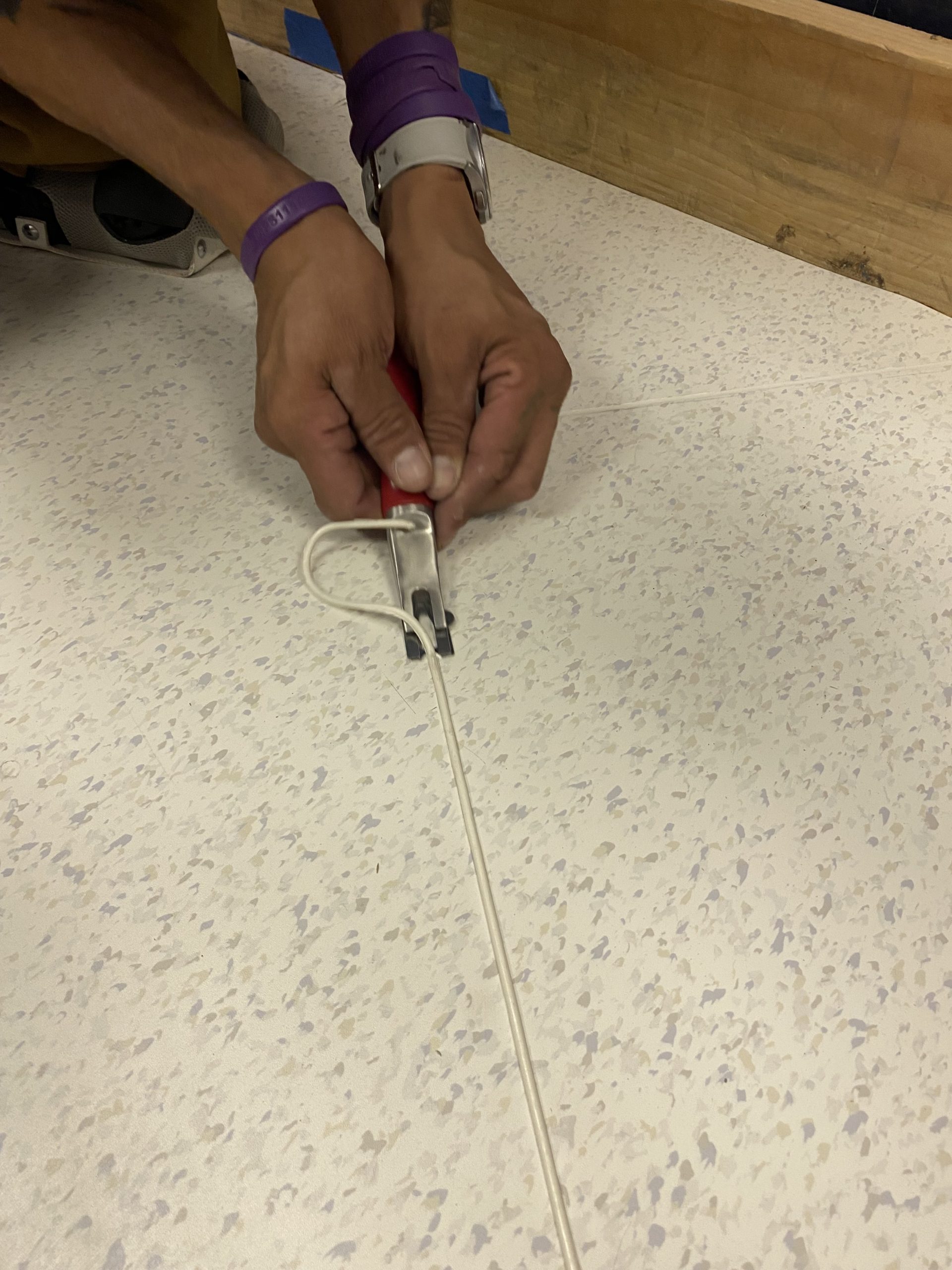
Always educate your team, including your salespeople and specifiers, on when and where heat welding is needed. This starts with knowing state and local building codes in your market area. In some applications heat welding will be required and chemical welding will not be an option.
Properly performed heat-welded seams will also reduce callbacks and failures which can be extremely expensive. Ultimately your company’s reputation and future business depends on the flooring seams not failing. Having a well-trained team of skilled mechanics capable of performing high-quality heat welding is critical for any flooring contractor who does commercial sheet goods. I have known highly skilled installers who only specialize in heat welding. These specialists command higher labor rates than less skilled mechanics and are always booked in advance.