




By Tom Budetti
Manufacturers from all over the world are flooding the domestic market with carpet in a variety of constructions and fibers. Many of them are hand-loomed, machine-woven and hand-tufted. In years past, these products were targeting the high-end designer market and sold exclusively through “trade only” showrooms. Now, these products are becoming more readily available to carpet retailers and even directly to the design trade. The need for quality installation of higher-end carpets has grown. The opportunity has never been greater!
Sometimes being a skilled installer is not enough to take on the challenge of installing some of these high-end qualities. One complaint I often hear from carpet retailers is their installers are skilled but not necessarily skilled enough to install better-quality goods. You may need some additional training on certain goods, but you are a lot closer than you realize in mastering the installation of better-quality products.
Here are seven steps you can take to successfully and confidently grow your installation business for high-end products.
# 1 – Familiarize Yourself with Different Carpet Qualities
When asked the question, “Can you install this carpet?” my answer is always: “Yes, just send me a sample beforehand.” Once I know the product, I can do the research and preparation necessary for a successful installation.
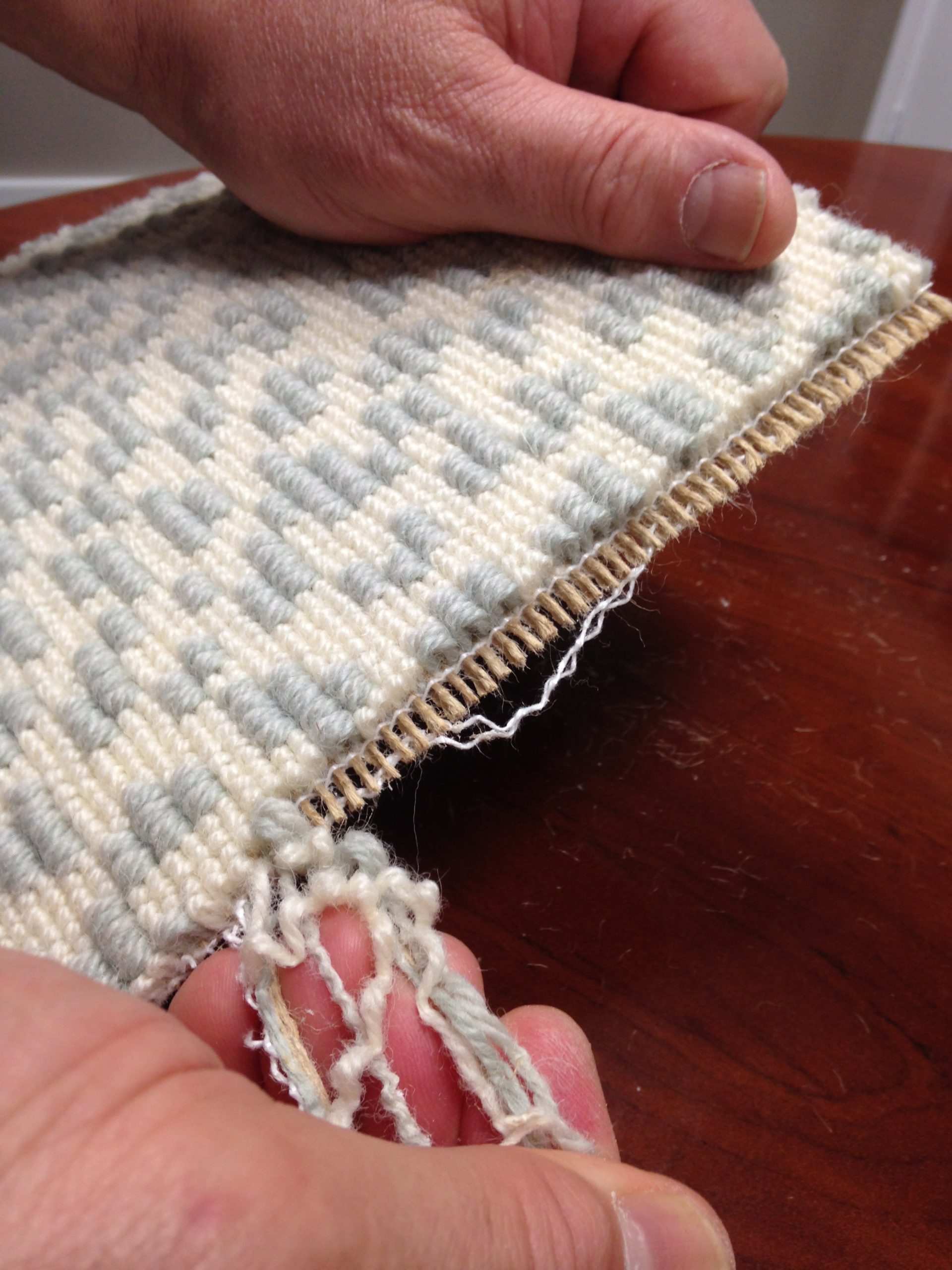
Very often we refer to carpets generically as tufted or woven. These are broad categories and don’t offer enough information for professional installation. There are many different types of carpet constructions, backings, weaves and face fibers. It’s hard to keep up with all of them. The key to successfully installing these products is to get samples before you do an installation. Pull it apart, examine it, see how it’s made, figure out how to cut and prep the edges for seaming, what seam sealers work best, what is the best seaming method, what tack strip should be used, how are you going to handle transitions, etc. (Photo 1)
The knowledge you gain from looking at a sample prior to installation is invaluable! Take the time to get manufacturers’ recommendations for adhesives, seaming and installation. Not only will you be able to develop a great action plan for the job, but you can price the job appropriately and address any concerns with the retailer, designer or customer before you start. Upfront there is a little extra time and effort, but over time you will have a library of products you can install with confidence!
# 2 – Pay Special Attention to Floor Preparation
Slow down and take your time to prep the job properly. Improper preparation will result in job failure. Follow the CRI-105 & CRI-104 Installation Standards (visit The Carpet and Rug Institute website at carpet-rug.org to download free copies of these standards). Better-quality carpets can be more sensitive to non-adherence to these standards.
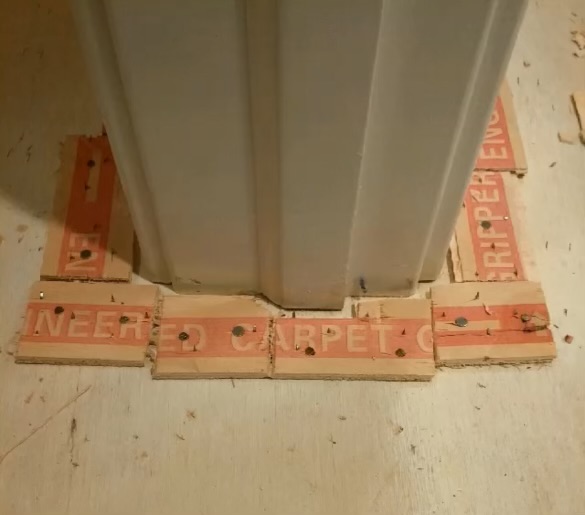
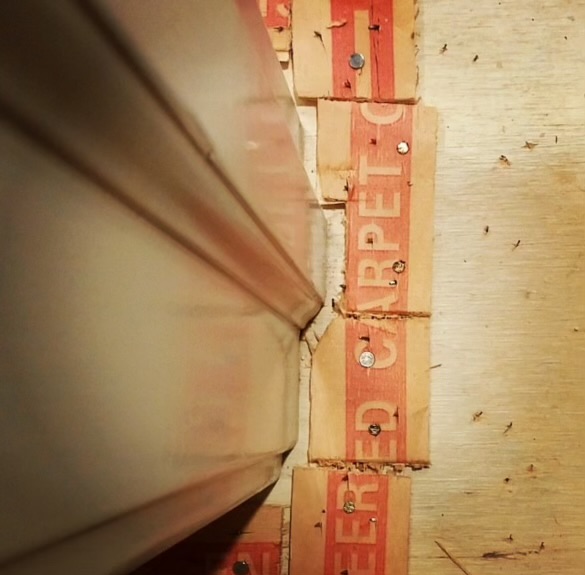
Tack strip selection and placement is critical. I do not recommend using existing tack strip unless it is in excellent condition, the correct type and installed properly. The pin height of standard E pin tack strip is 7/32”. This is often too high for fine woven products. I recommend using architectural width (three rows of pins) J Pin tack strip. The lower profile J Pins are 5/32”, which minimizes the pins from poking up through the pile. It is also essential to maintain a consistent gully around the entire perimeter and door jams (Photos 2 and 3). The gully should be slightly less than the thickness of the carpet but not exceed 3/8”.
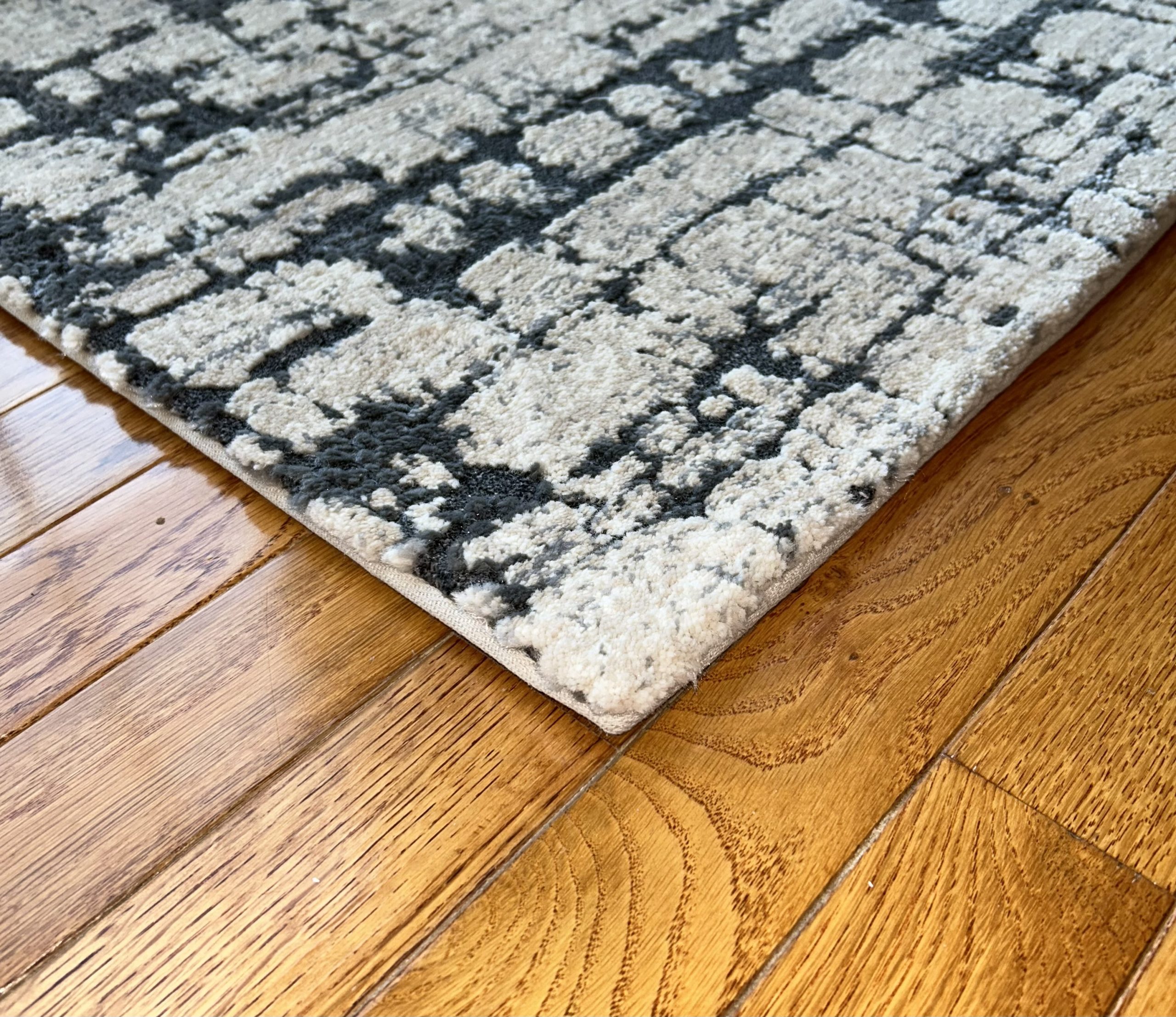
If the job begins with a carpet removal, make sure you clean up all old staples and debris. Don’t just bang in the old staples! The little bulges can easily telegraph through the pad and be visible. Install the new pad with the minimum number of staples to hold it in place and tape your seams. Staple back away from the seams at least 6”. Aggressively stapling along a seam will dimple and distort the pad enough to telegraph up through the carpet. Put the effort into proper preparation. The investment in time is well worth it!!
# 3 – Education, Training and Certification
Now, more than ever before, there are many opportunities to get quality education, training and certifications in our industry. Education is your road to success! Everyone at every level can learn something new. Joining and certifying with organizations like CFI, CTEF, FCICA, NFIC, NTCA, NWFA and others will prove to be invaluable. Aside from the obvious benefits, you will be networking with the best in the business! These industry professionals are available and eager to help you. There is a lot of knowledge available to you; all you need to do is ask. Take advantage!
# 4 – Expand Your Finishing Options

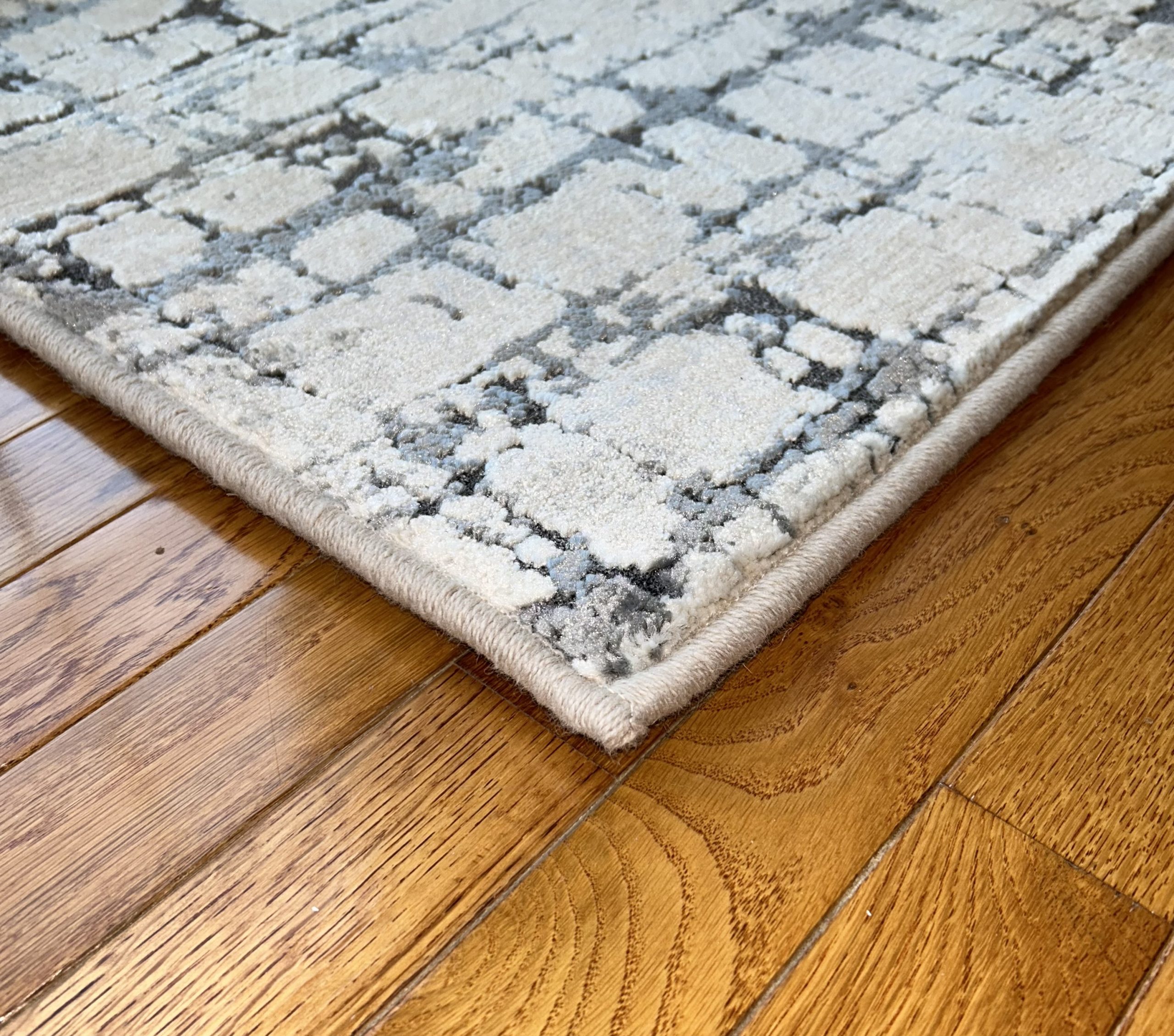
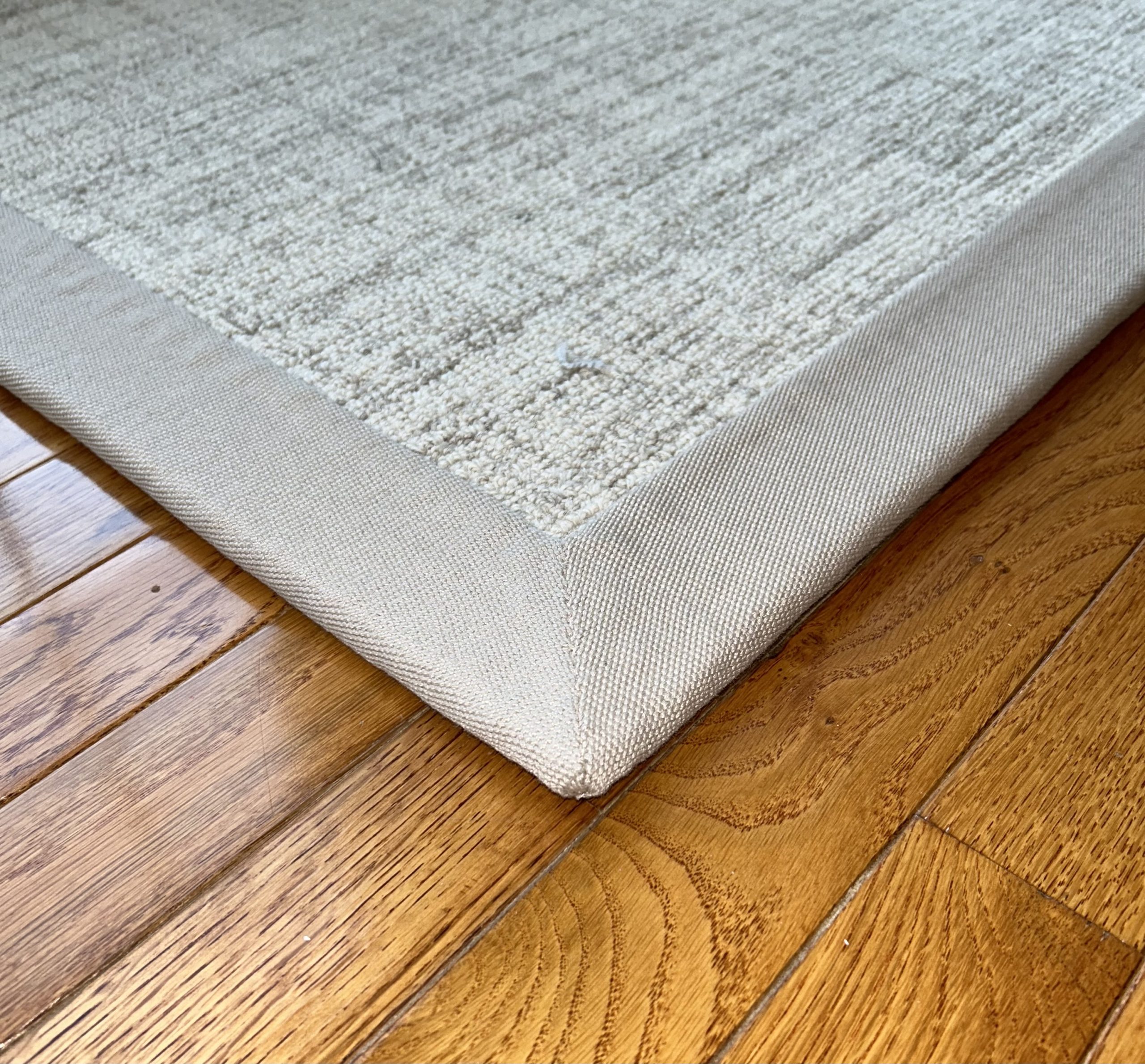
Better-quality installations often require more edge finish options. Expand your edge finishes to include machine serging, machine binding, hand binding, hand serging and wide hand binding (Photos 4-8). These are all very popular, especially with designers. Hard surface is on the rise, more so than ever before. Installations with wood margins (borders) and area rug fabrication are at an all-time high. Purchasing a portable serger and binding machine is an investment, but you will make the money back tenfold.
# 5 – Expand Your Service Offerings

There are a few services you can add to enhance your installation business such as measuring and templating. Not only will you gain advanced knowledge of the job, you will also more than likely get to do the installation when the time comes. Another business opportunity is to receive, inspect, supply pad, deliver and spread finished rugs. The area rug business is soaring! This also opens the door to you making rugs in your shop. Adding services like these give you more exposure and builds another income stream.
# 6 – Evaluate Your Pricing
Better-quality products often take more time to seam, stretch, cut, finish and prep. You also may need an extra person to help manage oversized pieces like handloomed and custom hand-tufted. Do not underestimate what it takes to get the job done right! I can tell you from experience the first response I get after coaching an installer on the proper way to seam and install certain carpets is: “I didn’t charge enough to do that.” My answer is: Do the right job now and learn for the next time. It may take a little time to figure out pricing, but this is a must! If you rush to finish these jobs due to budget, you jeopardize quality and your reputation. There is a saying: “The bitterness of poor quality lasts much longer than the glory of a good price.” Don’t sell yourself short.
# 7 – Market Your Business
Let retailers and interior designers know you are available and the type of services you offer. It sounds simple but very often we just sit back and wait for the business to come to us. You need to go after it, especially if you are offering some of the services and finishes mentioned in this article. Use social and print media and business cards to get the message out. Make yourself visible. Consider traveling. Interior designers may have clients with summer and vacation homes. Once you become their “go to” installer, they will budget to use you on jobs at these residences.
There are many things you can do to get more high-end business, but these seven will certainly jumpstart the process. You may already be doing some of them. My goal here is to get you thinking. You can make a very good living and build a strong installation business working with higher-end goods. Better-quality work takes more time and generates higher income.
If you have questions or want to discuss any of these things or any installation issue, please reach out to me at tom@tombudetticonsulting.com. I’m always available to help the installation community in any way possible.


