

By Brett Miller, NWFA Vice President Technical Standards & Training
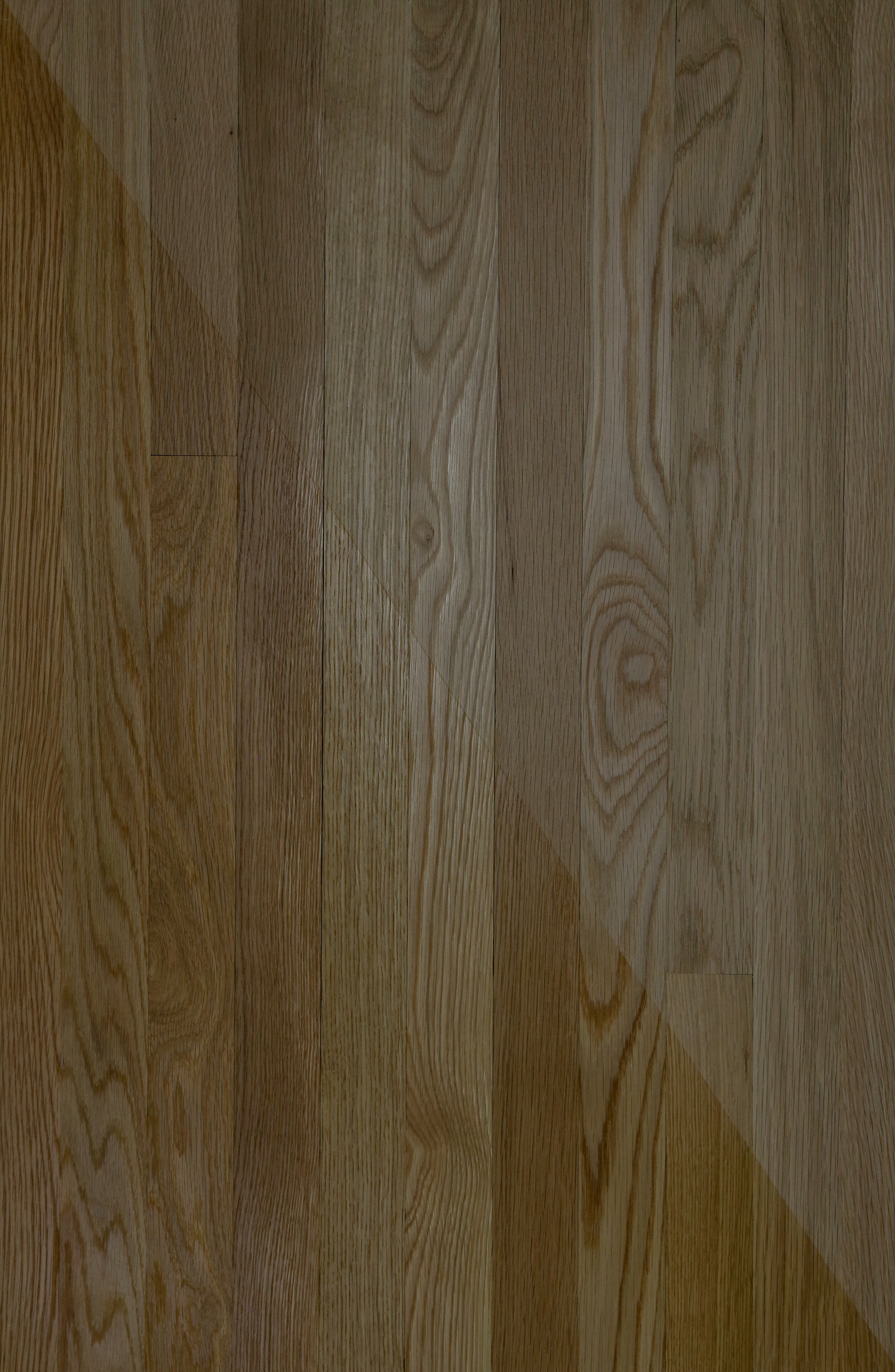
One key to ensuring a successful wood flooring installation is having a basic understanding of different wood species. Each species has its own unique characteristics. It is those characteristics that help to determine a wood flooring’s grade.

Trees are a product of their environment. They are impacted by the soil, moisture, air and sunshine they are exposed to throughout their growth cycles. They also are impacted by extremes of temperature, wind, floods, insects, drought and injury. As a result of these influences, wood varies in structure and appearance. Other characteristics develop through the process of drying and manufacturing. All of these characteristics differentiate one wood grade from another.
Sawn hardwood lumber is graded to provide categories to determine its value, waste factor and potential use. The National Hardwood Lumber Association (NHLA) established grading standards for the hardwood lumber industry in 1898. The NHLA grading rules provide consistent language to identify and categorize lumber based on its aesthetic characteristics.
- Higher grades include FAS (Firsts and Seconds), FAS/1F (One-Face), and Sel (Select). These grades are most often used for furniture, architectural interior mouldings and joinery products.
- Common grades include No. 1C (Number 1 Common) and No. 2AC (Number 2A Common). These grades are most often used for kitchen cabinetry, furniture and wood flooring.

Many wood flooring manufacturers purchase sawn lumber to produce wood flooring. Wood flooring is graded to a minimum standard that describes the characteristics permitted in a piece of flooring. Similar to sawn lumber, the purpose of flooring grading is to sort products into groups with similar characteristics. Since no two pieces of flooring are identical, complete uniformity in grades is impossible, but it is appearance that determines the grades of hardwood flooring. These grades identify the frequency, size and number allowed of some common characteristics. Characteristics included in a higher grade are accepted in a lower grade.
Grading is an essential part of doing business in the hardwood flooring industry. Grades group flooring with similar qualities, bringing a degree of consistency to products from different mills. Grades give the purchaser information about what they should expect when buying wood flooring products, including surface characteristics, required lengths and milling tolerances. All wood flooring should conform to its grade description. There is a general allowance of not greater than 5% of the pieces that may be off grade.
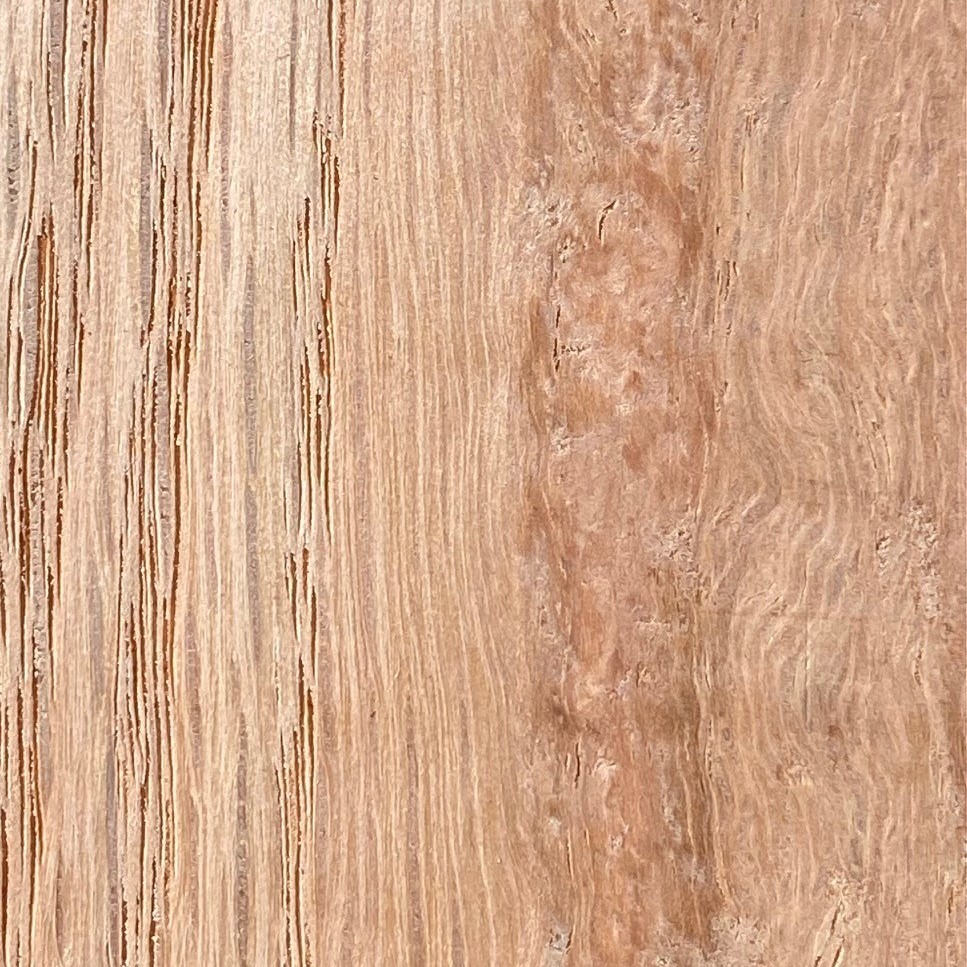
In some cases, flooring grades are established by industry associations, such as the NWFA/National Oak Flooring Manufacturers Association (NWFA/NOFMA), established in 1909, and Maple Flooring Manufacturers Association (MFMA), established in 1897. In addition to these flooring grade standards, many flooring manufacturers have their own grading standards.
NWFA/NOFMA grading standards identify four wood flooring grades:
- Clear
- Select & Better
- 1 Common
- 2 Common

Like NWFA/NOFMA grading standards, most industry wood floor grading standards include configuration guidelines such as width, thickness, match-position, match-fit, overwood, moisture content, board length, square footage and packaging. Common natural growth characteristics assessed within grades include burls, knots, mineral streaks, decay/rot and worm holes.
- Burls are a hard, woody outgrowth on a tree, usually resulting from entwined growth of a cluster of adventitious buds. Burls also are a source of highly figured veneers.
- Knots are that portion of a board or limb that has been surrounded by subsequent growth of wood of the trunk or other portions of the tree. As a knot appears on the sanded surface, it merely is a section of the entire knot, its shape depending upon the direction of the cut. Knots may be classified as tight, sound, broken or as a knot hole, depending on the integrity of the knot itself.
- Mineral streaks are an olive to greenish-black (in maple) to light brown to black (in oak) discoloration of undetermined cause in hardwoods. They may be caused by an accumulation of mineral matter.
- Decay/rot is the disintegration of the wood substance due to the action of wood-destroying fungi. Incipient decay is an early state of decay in which disintegration of wood has not gone far enough to soften or change the hardness of the wood.
- Worm holes are holes caused or made by a wood-boring insect.
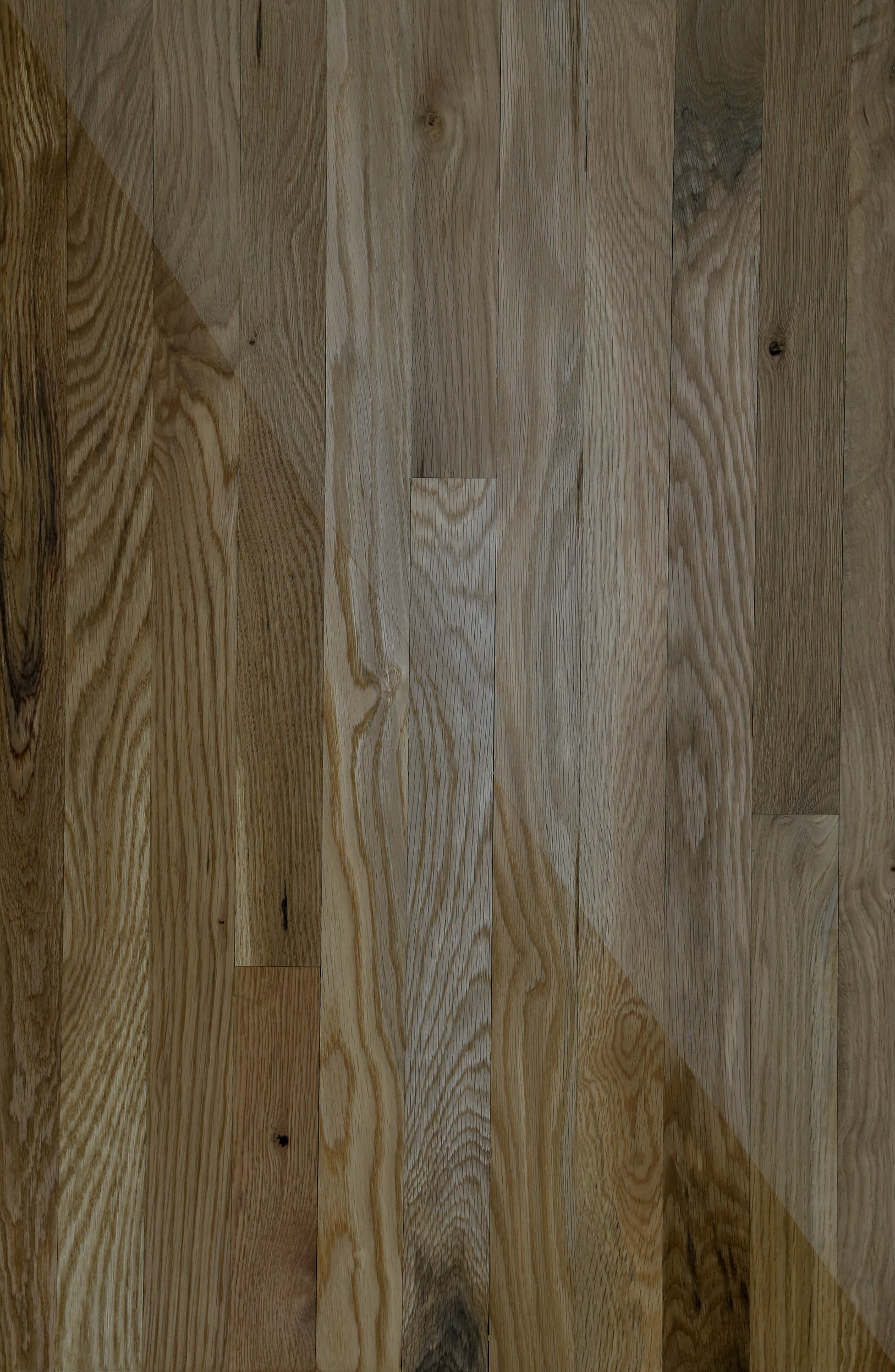
Engineered wood flooring normally is graded differently than solid wood flooring. The top-most wear-layer, called the face grade veneer, is what dictates the grade of the material used for the engineered flooring. The top veneer may be cut by three different methods: sawn, sliced and rotary peeled. Each of these cuts may be graded and sold differently.
- Sawn veneers normally are cut from the log the same way as solid wood. They are sawn to varying thicknesses to accommodate the flooring being assembled.
- Sliced and rotary peeled veneers usually are graded on a scale from A to D, based on character, color, cut and quality of the wood.
Countries outside the United States that produce large amounts of hardwood flooring often have their own grades for hardwood floors.
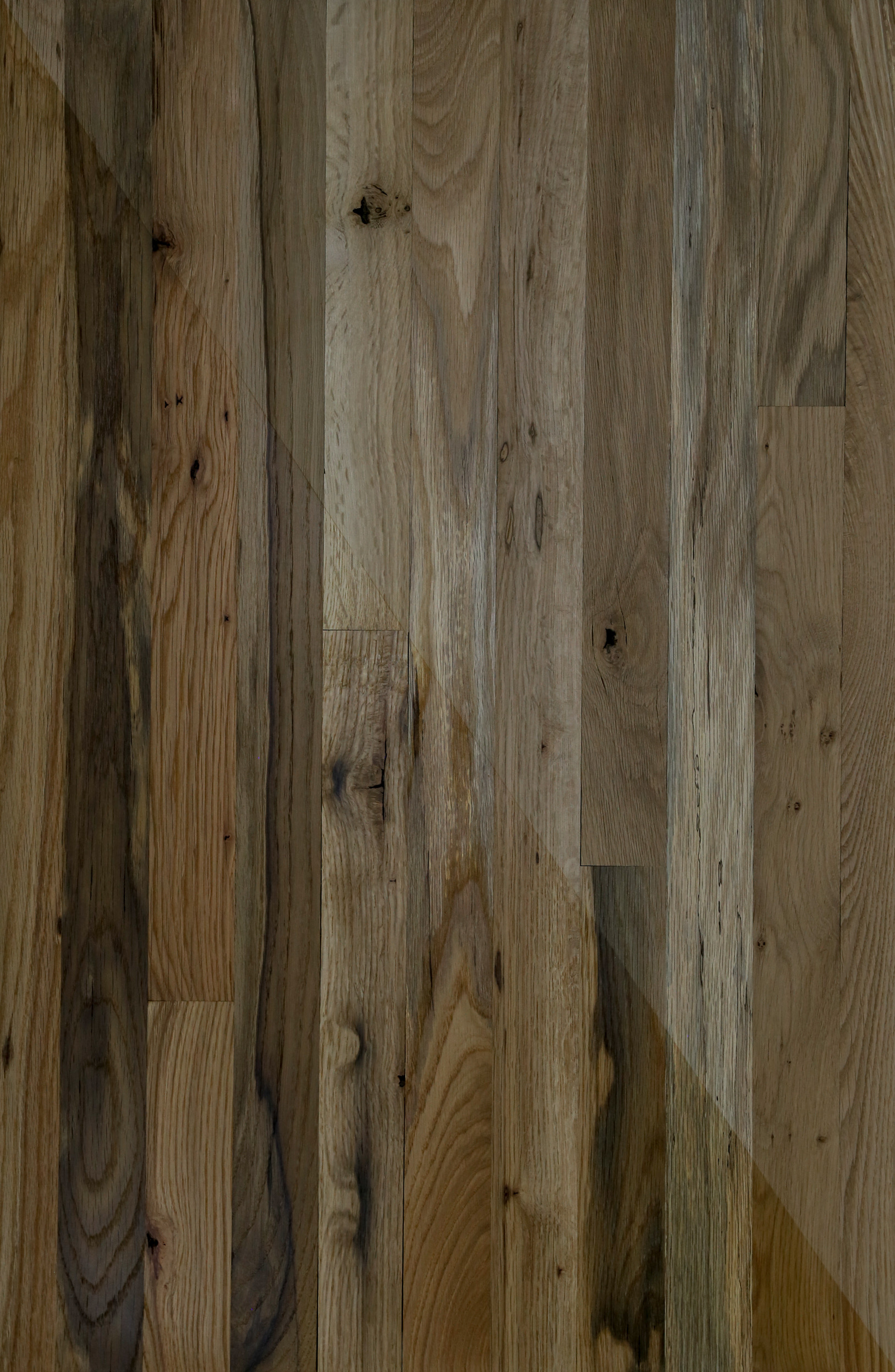
Softwood flooring grades are established by a variety of agencies that vary by region and by species. Most softwood grades apply to the lumber itself, and not specifically to flooring. Like hardwood flooring grades, these grades are based on appearance criteria. These grades are established by the Southern Pine Inspection Bureau (SPIB), Northeastern Lumber Manufacturers Association (NELMA), Western Wood Products Association (WWPA) and Pacific Lumber Inspection Bureau (PLIB).
All grades of wood flooring are susceptible to color change as well. This is called photosensitivity, which is the degree to which a wood species changes color in response to natural sunlight or UV light. Depending on how much natural sunlight or UV light the wood is exposed to will determine how quickly and how drastically the change occurs. Whether finished or unfinished, wood changes color over time due to age, oxidation and exposure to light. Some color change is to be expected for all species. Some species, such as American cherry and walnut, are notorious for drastic color change. The intensity of the change depends on many factors: the species, finish, exposure to various forms of lighting and exposure to the particles in the air. Some species darken over time, while others lighten. Oak, maple, hickory, walnut and many other domestic species generally will lighten and/or amber over time. Generally, tropical/exotic species will darken over time.
The National Wood Flooring Association provides detailed information about wood flooring grades and photosensitivity in its Wood Species technical publication. NWFA’s technical publications are provided to all NWFA members as a member benefit. They are available to nonmembers for purchase. NWFA also provides online training for wood flooring through NWFA University. For more information, visit www.nwfa.org.