




By Jason Spangler, Wagner Meters sales manager
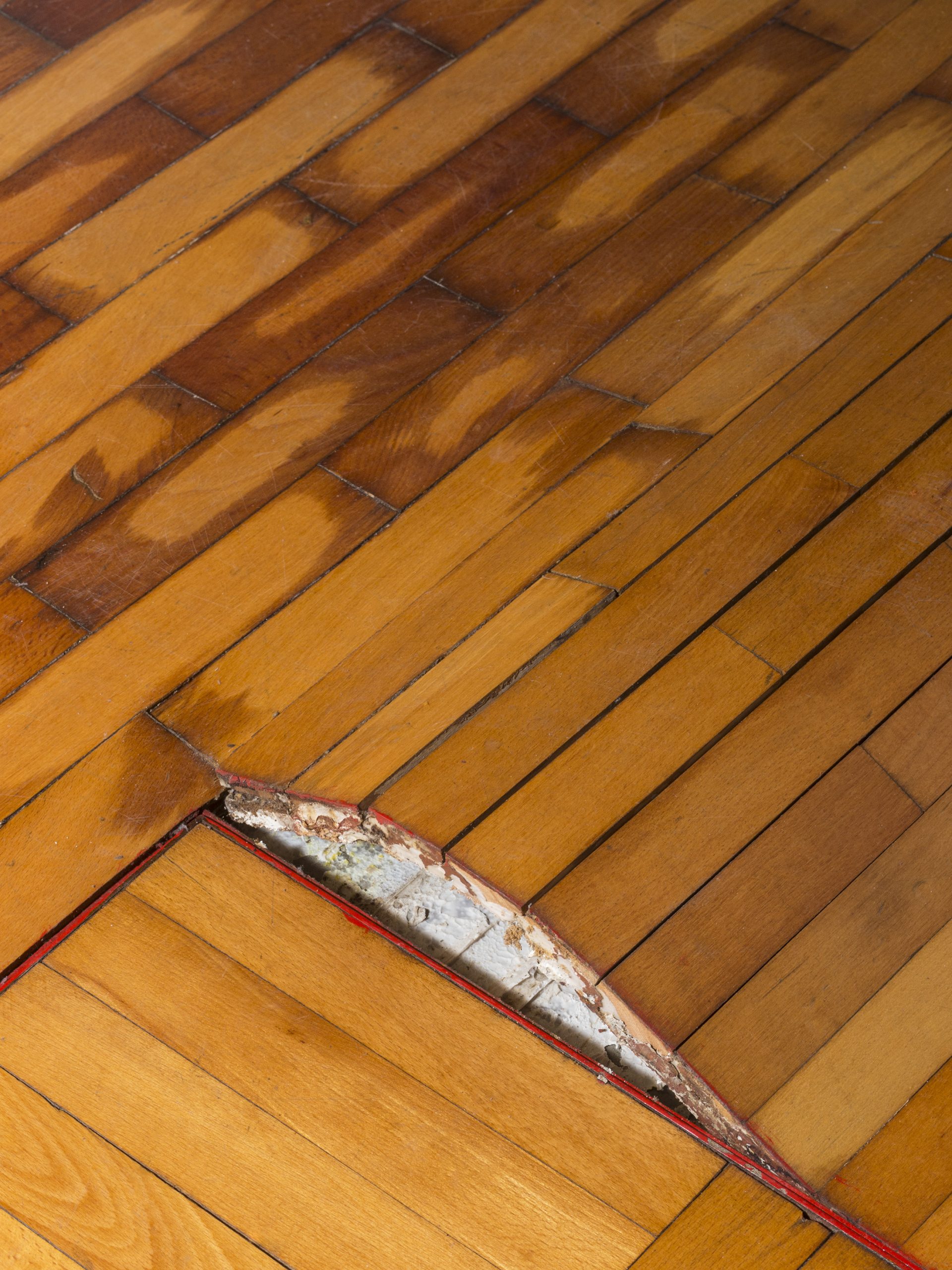
Excess moisture is bad news for a concrete slab, especially the floor you install over it. Hardwood boards can warp and adhesives can come apart, leading to delamination, peeling, etc. It might not happen on the job but months later, the last thing you want is to receive callbacks from unhappy customers.
So how do you prevent excess moisture? Proper concrete moisture testing is part of the solution. But even then, you may face problems if you don’t use a vapor retarder—or if it’s missing or damaged. Placing a vapor retarder is an essential step before you pour concrete.
The Role of a Vapor Retarder
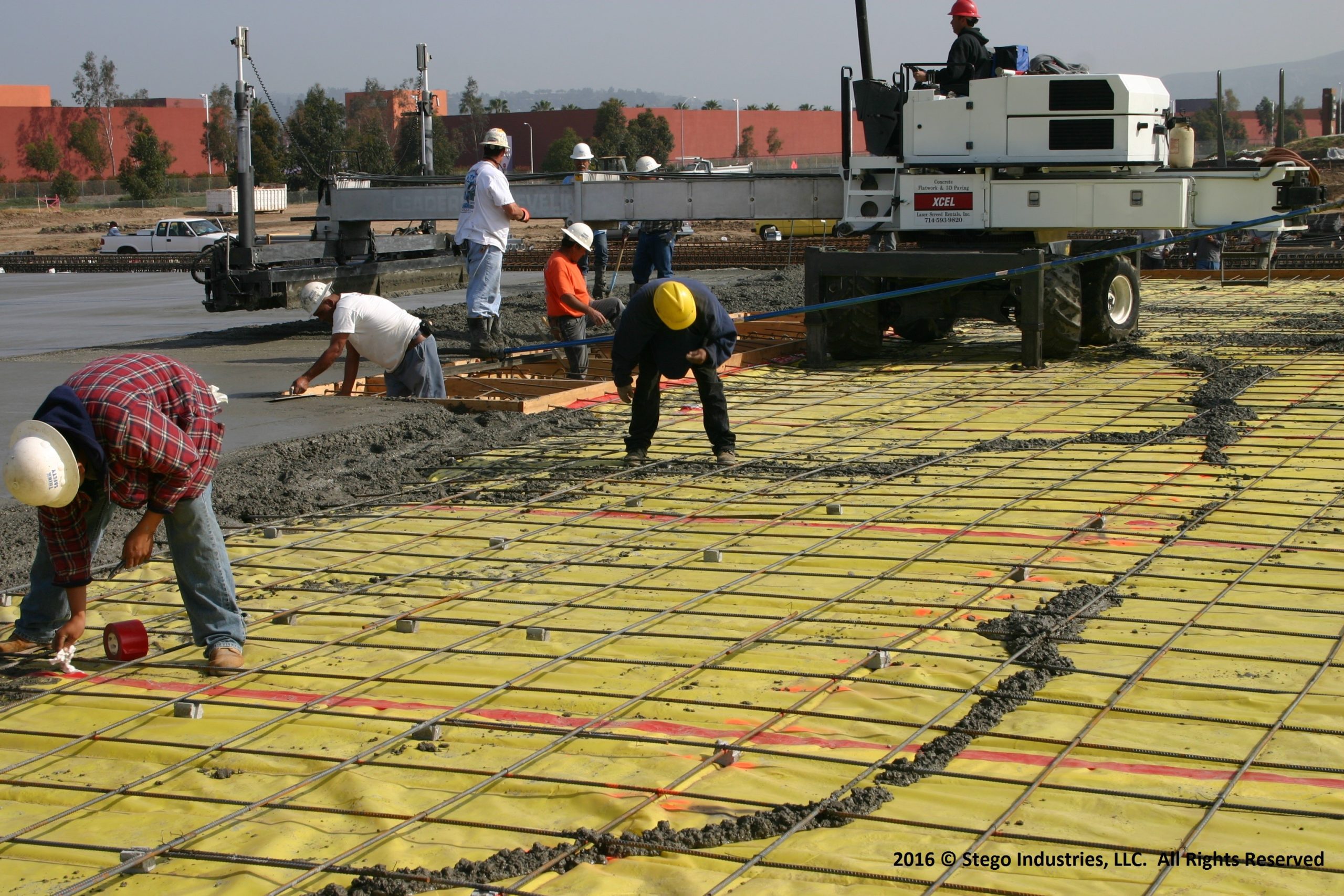
A vapor retarder rests directly under the concrete slab, preventing ground moisture from coming into it. Capillary breaks, such as layers of crushed rock between the subgrade and the slab, can often stop liquid water—but not necessarily water vapor. This vapor can move into the concrete and raise the slab’s relative humidity levels, eventually migrating into the flooring above.
The result is all the frustrations of flooring moisture damage:
- Cupping and warping of hardwood flooring
- Adhesives not holding together
- Delamination and peeling of floating floors
- Trapped moisture under a carpet, causing mold and mildew
A vapor retarder stops that moisture in the first place.
Placing a Vapor Retarder
The American Concrete Institute (ACI) recommends placing a heavy-grade, non-penetrable vapor retarder with the lowest possible permeance over a layer of granular fill. Then the concrete slab is poured on top. But if it isn’t placed properly, moisture may still be able to get through.
To avoid that, follow these best practices based on ASTM E1643.
- Before placing the retarder, make sure the base is level.
- Check that the retarder is free from holes, rips and tears.
- Be careful not to damage the retarder.
- Seal the seams with tape.
- Seal around any utilities, columns and along the foundation wall.
- Pour the concrete slab directly on top of the vapor retarder.
Now, you may be installing flooring over an old slab of concrete. In that case, you can’t control vapor retarder placement. What then?
Dealing with Old Concrete
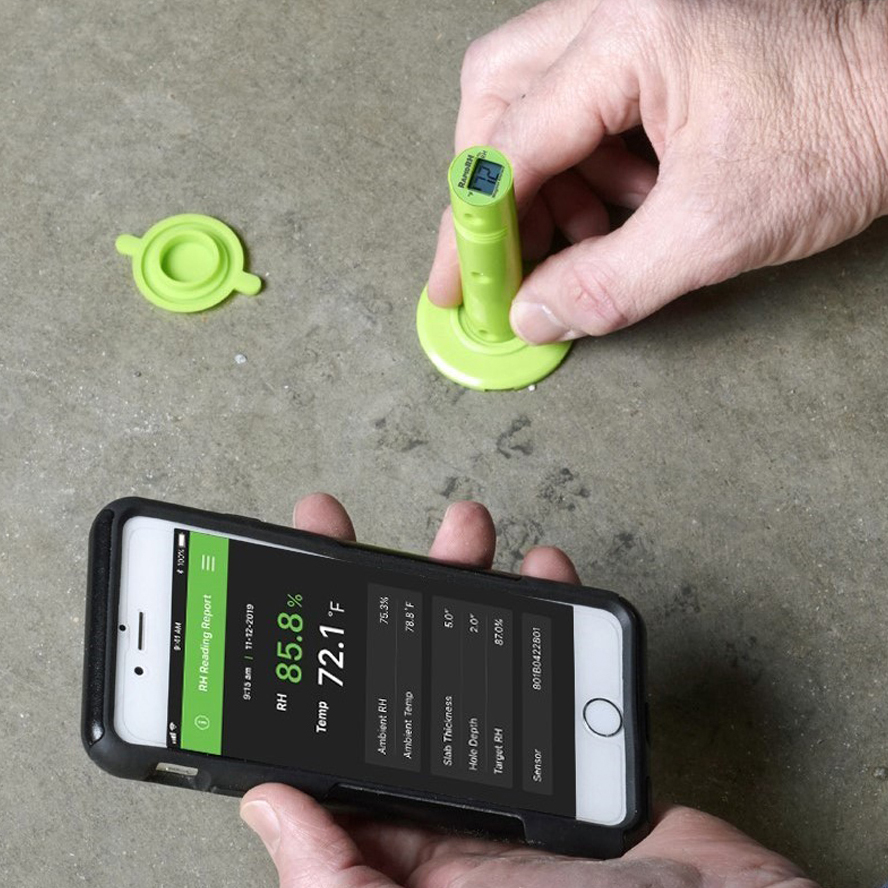
If you’re going to install a floor covering over an old slab, the first thing to do is make sure the concrete is sufficiently dry. Even if it’s old, it could still release moisture into a new floor installed over it. Use relative humidity testing, per ASTM F2170, to make sure the moisture levels are acceptable.
If the relative humidity levels are too high, allow the concrete time to dry and then test again. If the levels remain high, you may be dealing with a damaged vapor retarder. This is where moisture mitigation products come in. They reduce the amount of moisture that will interact with the floor, so damage doesn’t occur. The most common products are liquids, like epoxy, that harden once they’ve been applied to the floor.
Moisture Protection Is Key
Your goal as a floor installer is to do everything possible to prevent moisture damage. And as we’ve discussed, a proper vapor retarder under concrete is critical to that process. But even with a good vapor retarder, don’t assume your concrete is sufficiently dry. Use a relative humidity test so you can be confident the slab is ready for installation. This way, you’ll significantly reduce customer complaints and callbacks.


