




By Gary Scheidker, director of technical services, Taylor Adhesives, Meridian Adhesives Group
One of the most essential and commonly missed installation steps with resilient flooring is proper acclimation. I cannot tell you how many flooring failures I have seen because the flooring, adhesive and underlayment were not properly acclimated. These issues could easily have been avoided by following proper acclimation procedures. It is critical that you follow all the manufacturer’s installation guidelines for a successful installation. Here are some things to consider:
Do I need any special tools or equipment to evaluate the job site?
I recommend having both an infrared thermometer and a hygrometer in your toolbox.
What is acclimation, and does it continue after installation?
The purpose of acclimation is to allow the flooring to achieve equilibrium with its new environment. When acclimating, you should also monitor the substrate temperature since a cold or hot substrate can also cause the flooring to contract or expand. It is common for a concrete slab to be a couple of degrees cooler than the air, which should be considered during acclimation. In new construction, it can take time for a concrete slab to catch up with the ambient temperature of the room, so the infrared thermometer is essential during evaluation.
Wood substrates with crawl spaces below can also create issues with thermal expansion and contraction and should be checked with an infrared thermometer. You need to use your hygrometer to monitor ambient temperature and humidity since you want the space to be at service temperature and humidity before, during and after installation. After the flooring is acclimated to its new environment and installed, it is necessary to maintain that environment at a consistent service temperature with most resilient flooring products.
It is not acceptable to shut down the HVAC system when the space is not occupied during periods such as holidays, nights and weekends. Many flooring failures have occurred simply because the HVAC was turned off or down when the space was unoccupied. It is essential you educate your customer on the proper way to maintain the environment their new floor will live in.
When should I acclimate?
Every resilient flooring and underlayment need to be acclimated unless the manufacturer specifically states the product does not require it. This includes new construction and multifamily applications since the laws of physics still apply to general contractors. There are some sheet goods that not only require proper acclimation to service temperature but also for the flooring to be protected from direct sunlight during acclimation. These products may also require this protection during installation and the adhesive curing process.
Why is acclimation important?
There is a common misconception in the industry regarding thermal expansion and contraction of resilient flooring. Many people believe resilient flooring is inert and will not expand or contract with temperature and humidity fluctuations. Unfortunately, most resilient flooring will do the exact opposite. This type of movement can cause issues such as gapped joints, peaked joints, bubbles, buckles and even failed seams. Ultimately, you will have an unhappy customer and possibly an expensive repair or replacement.
Where and how long should I acclimate?
Acclimation must be performed in the space where the flooring is being installed. Proper acclimation cannot be performed in another building or another room. Your climate-controlled warehouse will not work either since the temperature and humidity will most likely vary from site to site. The flooring will also need to be transported to the job site, which will introduce another environment. I recall many instances where vinyl became stiff and even brittle as we were loading our vans during the winter. The temperature was near 0° Fahrenheit when I installed them in the Midwest, so even short periods of exposure to extreme temperatures can create problems.
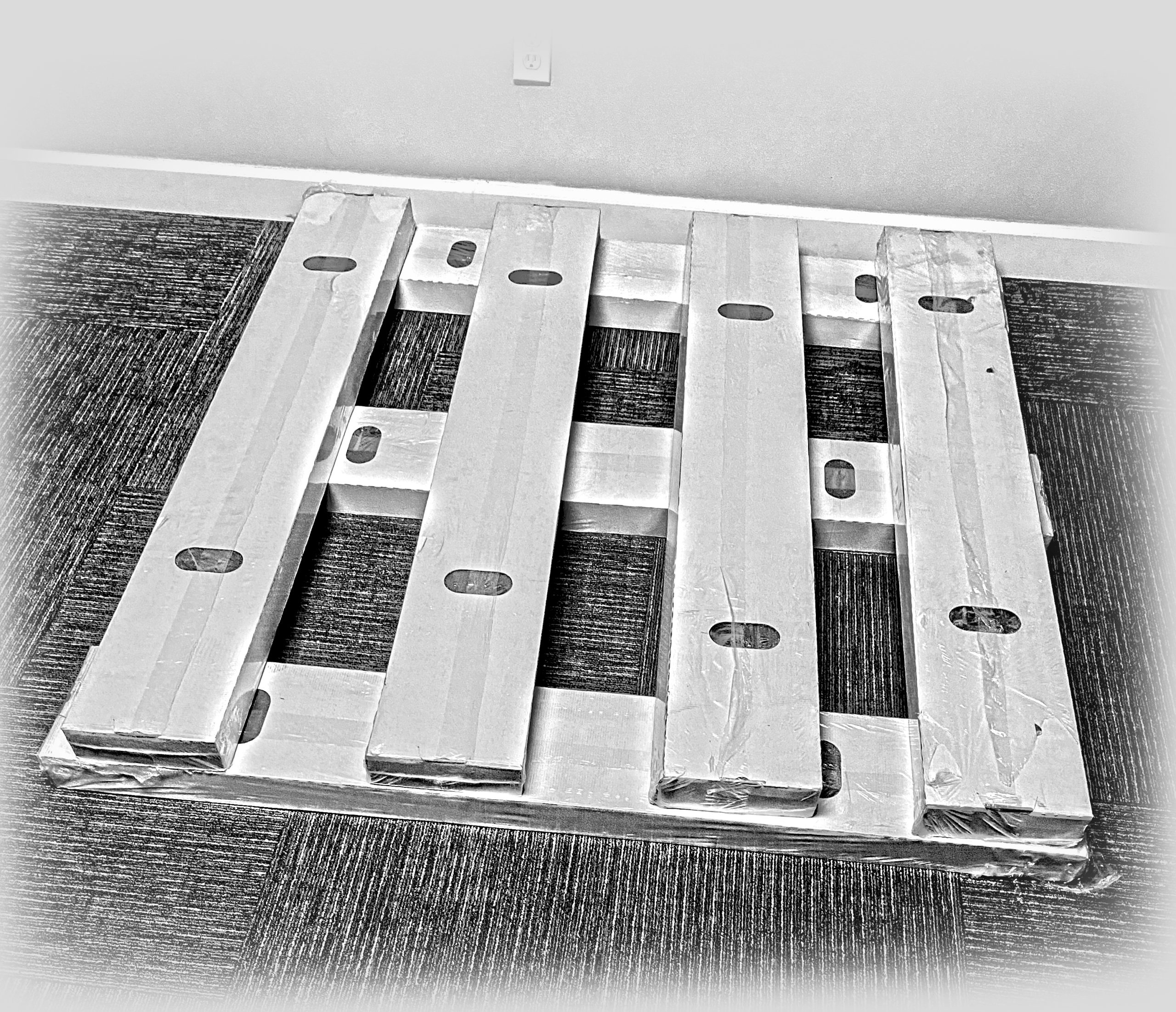
When you place boxes of flooring in the room for acclimation, it is important to stack them with space between the boxes for airflow. This will help the flooring acclimate to the environment more efficiently since vinyl has excellent insulating properties. Use your infrared thermometer to monitor progress.
Sheet goods may take longer to acclimate depending on the size of the roll and how they are stored. If they are stood on end with airflow all around, they may acclimate sooner than if they are placed on their side.
The amount of time for acclimation will depend on the differential of the temperature at which the material was stored and at the installation site, as well as the type of flooring. I recommend allowing the flooring to reach equilibrium prior to installation. Your infrared thermometer and hygrometer will be essential to determine when the flooring is ready to be installed.
What can happen if I do not acclimate?
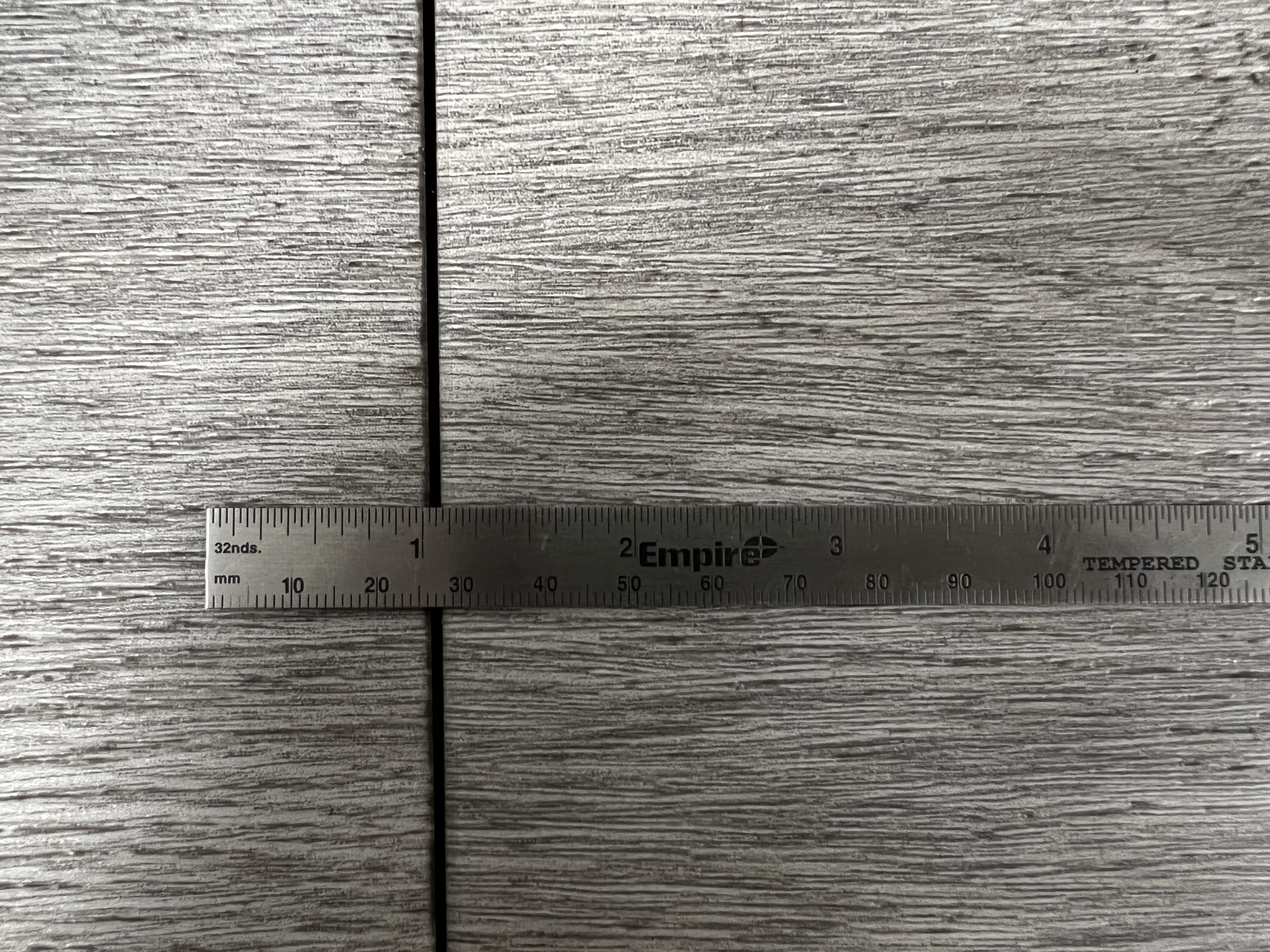
You can end up with gaps or peaked joints.Gaps at the joints are common when a floor is installed at a higher temperature than the service temperature, and the flooring shrinks as it cools. These gaps will be most noticeable at the end joints of the flooring with planks, although side gaps may also develop.This is because resilient flooring will expand and contract omnidirectionally. For instance, a 6” wide by 36” long plank will have six times as much movement in the length than in the width.LVT will also gap, but it may not be as noticeable as in plank products like LVP.
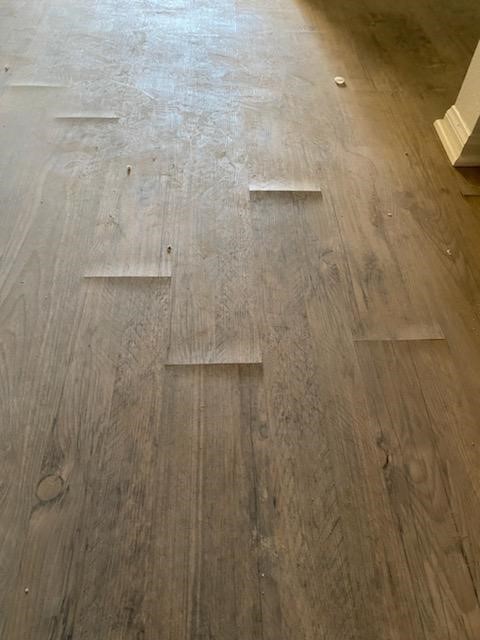
Peaked joints are common when modular flooring is installed at a lower temperature than the service temperature and expands as it warms up. These peaks will be most noticeable at the end joints as they will expand and press against neighboring planks. LVT will also peak but it may not be as noticeable as in LVP since the tile is generally smaller than the length of the planks. LVT and LVP may also lift or curl as they expand or contract. Sheet goods can expand as they warm to room temperature if they are installed in a cool environment, or shrink as they cool to room temperature in a warm or hot environment. This movement in sheet goods can cause bubbles, peaked seams or even gapped seams.
Will adhesives eliminate the need for proper acclimation?
No. There are always crazy claims used in marketing from various manufacturers, but pressure sensitive adhesives cannot cause or prevent dimensional changes in flooring. The difference between reducing gapping and preventing gapping is an unhappy customer. Even reactive adhesives like epoxies and moisture-cured adhesives may help a little, but they will not prevent movement. I have seen LVP shrink and gap at the top wear surface but remain almost tight where the backer is attached to the substrate. In this case, it looked like the joints were routed for heat welding.
Proper acclimation is necessary when installing most resilient flooring. The only exception is flooring the manufacturer states does not require acclimation. If you have a project where the flooring cannot be acclimated, it is essential you select flooring that does not require acclimation. Unfortunately, products that do not require acclimation are less common and may have a higher cost.


