




Following health and safety protocols are essential for wood flooring professionals to do their jobs
By Matt Casey, NWFA Technical Services Officer
Wood flooring is a craft built on precision, planning, and pride. But the demands of the job extend well beyond layout lines, fasteners, moisture readings, or final coat appearance. Day after day, wood flooring professionals work around airborne particulates, odors and vapors, high-decibel tools, chemical exposure, and jobsite conditions that can quickly turn messy work into a safety issue if the site is not managed correctly.
Health and safety are not discretionary. They are essential jobsite practices that protect you, your crew, your customer, and the property you are working in. They also tie directly to regulatory compliance. Failure to comply can result in a hit to the wallet. Requirements may vary by jurisdiction and by job type, so confirm what applies before work begins.
Start with a Safety-First Mindset
Before any installation or sand–and–finish work begins, baseline safety standards should be applied. Make sure all crew members are briefed and up to date on job requirements and regulations. Also, be aware of your company’s insurance coverages and workers’ compensation requirements. When working at residential or commercial construction jobsites, check with the superintendent or safety director to address site-specific safety concerns, including access rules, other trades on site, ventilation constraints, and any job-specific hazards.
Dust and Fumes: Control the Byproducts
 Dust and fumes are among the biggest challenges flooring professionals face. It is important to control them at the jobsite and to acknowledge the health hazards involved in inhaling foreign particulates. The most common solutions involve containment, filtration, and extraction, either individually or in combination.
Containment systems minimize particulates during remodeling and sanding. Dust containment vacuums, plastic sheeting, and temporary enclosures all help. Containment works because it is generally easier to prevent dust from spreading than to clean it up after it settles. Filtration via air scrubbers using HEPA filters captures small particles effectively, though filtration is only minimally effective against fumes. Negative air systems create negative air pressure in the work area, extracting dust and fumes by exhausting contaminated air out of the space while also filtering particulates. Many pros find that combining two or three methods provides the best overall control.
PPE: A Baseline, Not an Option
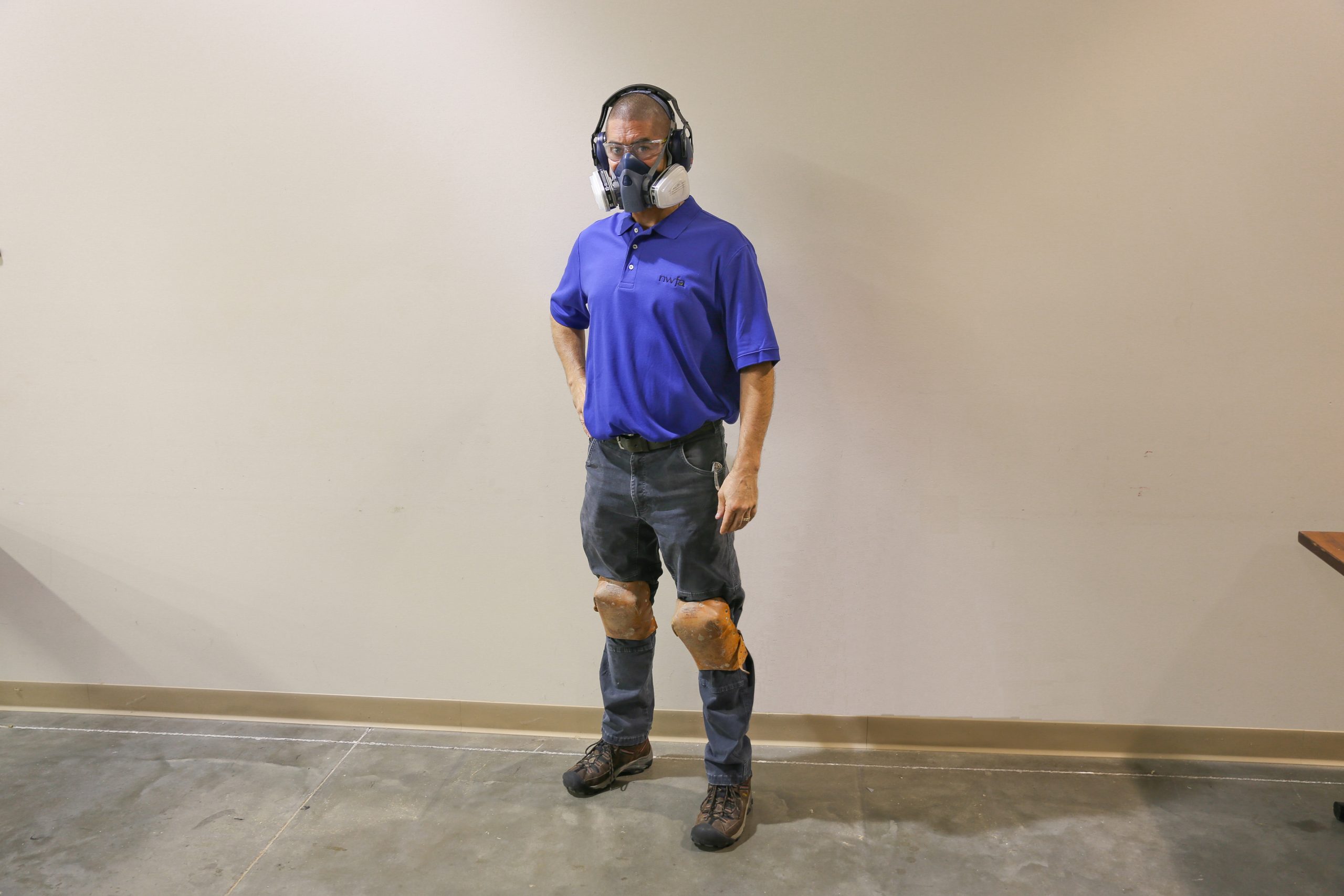
Personal protective equipment minimizes exposure to workplace injuries and illnesses resulting from chemical, physical, mechanical, and other hazards. Many solvents used and the wood dust created during sanding and cutting are known human carcinogens that may cause sensitization, dermatitis, allergic and non-allergic respiratory effects, and even cancer. Common PPE in the industry includes respirators, and protection for your ears, eyes, knees, and skin. When multiple items are worn together, make sure they are compatible and do not interfere with each other’s fit or effectiveness.
Disposable particulate respirators filter airborne particles such as wood dust. A NIOSH-classified N95-type respirator is considered the minimum when working with wood dust, though it does not protect against gases or vapors. Half-facepiece elastomeric respirators are tight-fitting, air-purifying respirators with replaceable cartridges that must be fit tested and can be cleaned and reused. Full-facepiece versions offer a higher level of protection and can also guard against liquid splashes and irritating vapors. Facial hair that prevents a proper seal can compromise protection regardless of respirator type.
For hearing protection, each device carries a noise reduction rating. The higher the rating, the greater the decibel reduction. Ear muffs, which often look like headphones, fit around the ear with sound-attenuating material and cushioned cups. Earplugs are inserted into the ear canal. Roll the plug into a small crease-free cylinder, pull up and back on the ear to straighten the canal, and insert snugly.
Eye and face protection must be provided whenever hazards such as chemical exposure, environmental irritants, or mechanical hazards are present. Protective devices must provide adequate protection, be comfortable, fit snugly without interfering with movement, and be durable and cleanable. Prescription eyewear is not a substitute for safety eyewear. Gloves should be used when handling adhesives, sealers, stains, finishes, or solvents, but always remove loose-fitting gloves before using saws or other large tools. Knee pads are essential. Time spent on your knees pushes body weight into the joints, and without protection sore knees often lead to compensating strain on the lower back.
Health and safety are not discretionary. They are essential jobsite practices that protect you, your crew, your customer, and the property you are working in. They also tie directly to regulatory compliance.
Fire Safety: Extinguishers and Dust Management
Keep fire extinguishers in your work vehicle and on the jobsite, two minimum. ABC-rated dry chemical extinguishers are required for the hardwood flooring industry. When responding to a beginning-stage fire, sound the alarm, call 911, identify a safe evacuation path, and use P.A.S.S.: pull the pin, aim at the base of the fire, squeeze the trigger, sweep back and forth. Evacuate immediately if the extinguisher empties and the fire is not out, or if the fire grows beyond the incipient stage.
Did you know that wood dust must reach 400 degrees Fahrenheit (204 degrees Celsius) to ignite, but heat from friction between the machine, sandpaper, and floor can build until smoldering begins? Sometimes that’s not visible for minutes or hours. Combustion is more common when resanding existing floors, as old finishes can grind into fine powder. All nails should be set prior to sanding to reduce sparks from abrasives striking metal.
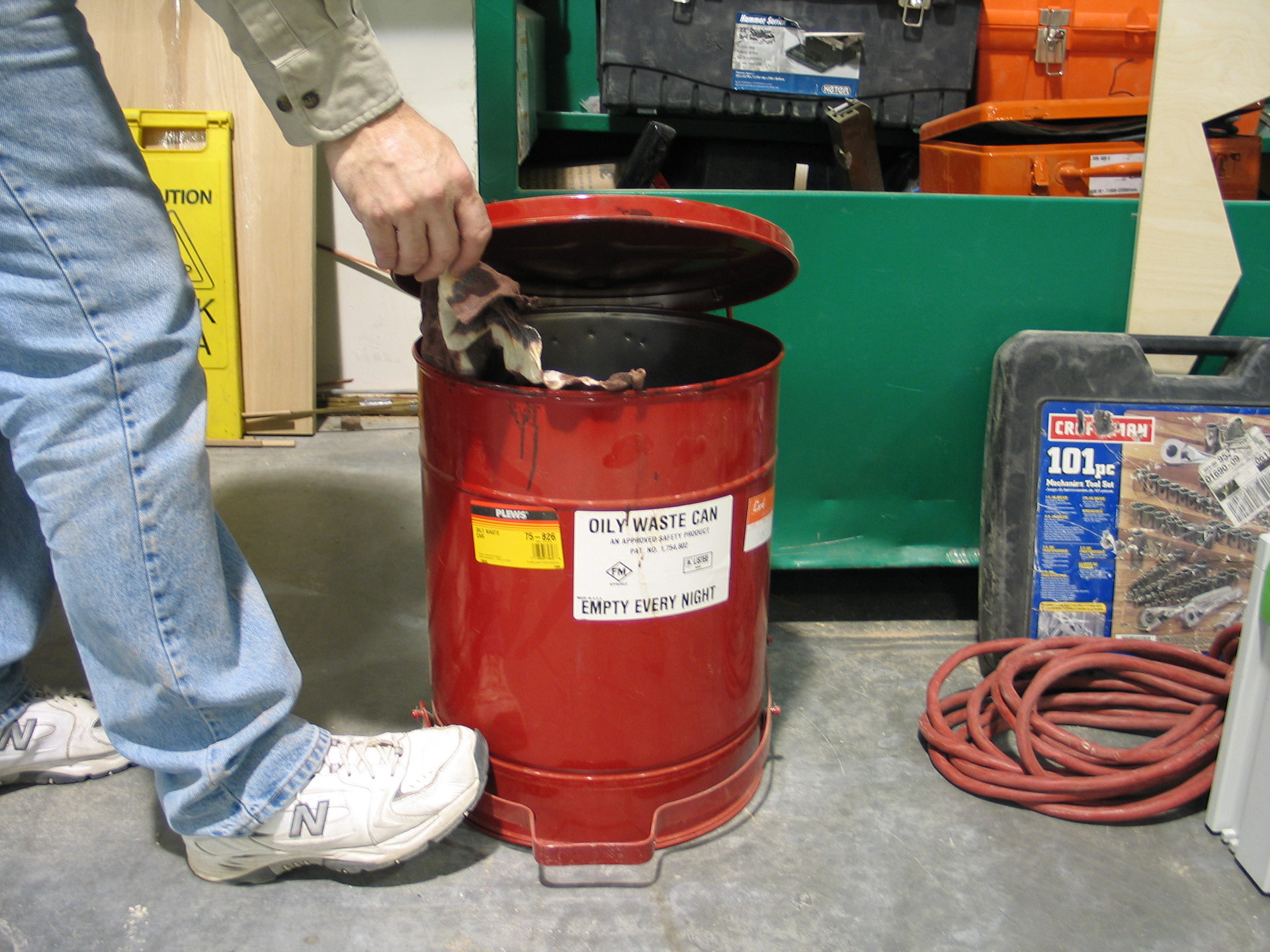
Key fire risks during sand and refinish work include friction from dull or improper sandpaper, sparks from staples or nails, improper dust handling, stain rags (dispose in a water bucket or metal safety container), electrical fires from faulty cords or connections, vapors from sealers and finishes, and ignition sources such as pilot lights or open switches. Empty dust collection bags often into a proper container, remove dust receptacles from the jobsite at the end of every day, and unplug machines any time you leave for any length of time.
Equipment and Electrical Safety
It is important to follow local electrical codes and use licensed electricians when necessary. Refer to equipment manufacturer manuals for set-up, operation, and safety guidance. Many of us enjoy getting creative on the jobsite but be sure to use tools only as intended. Unplug all machines when repairing, adjusting, changing abrasives, or leaving the jobsite. Use caution with waist belts on drum or belt sanders and know how to quickly release yourself. Keep cords away from moving parts and avoid the common practice of throwing the cord over your shoulders. Clean dust from tools after each job.
Always locate the breaker panel before beginning work. Check your cords regularly for damage and never pull the cord to disconnect from a power source; remove it by the plug. Replace or repair any plug missing a grounding pin. If a short develops, the user may become the ground path, which can be extremely dangerous! Select the proper gauge cords for your machinery – improper gauge cords can cause overheating and fire. Plan ahead for 220v outlets and have the right adapters and pigtails on hand. Don’t forget to disconnect all power when leaving the jobsite.
Lead, Jobsite Prep, and VOC Awareness
When sanding a previously finished floor, determine whether the finish contains lead. All floor finishes applied before 1978 may contain lead, as metals including lead were used in some oil-modified urethane finishes, paints, and stains as a drying agent. Lead test kits are available for floor finishes and other architectural coatings. As always, abide by local, state, and federal guidelines for handling and disposing of lead-based products.
It is best practice to check the moisture content of the wood floor and subfloor, temperature, and the relative humidity of the interior setting, before installation or sanding. Don’t forget to record your readings in the job file. Ensure all wet work, including tile, drywall, and paint, is complete and thoroughly dry. Then, walk the floor, make necessary repairs, countersink visible fasteners, and check for water-damaged areas or conditions that will affect finishing. Remove base shoe or baseboards as needed, following lead abatement requirements for facilities built prior to 1978.
Volatile organic compounds are emitted as gases from certain solids or liquids, including wood floor finishes, cleaning products, and adhesives. VOCs are regulated as ozone precursors under the U.S. Clean Air Act and similar state laws. VOC limitations vary by jurisdiction and are continually evolving, so flooring professionals should remain aware that product selection and jobsite practices may be affected by local rules that change over time. What are the VOC limits in the areas where you work?
Conclusion: Professional Results Start with Professional Safety Habits
A safe jobsite supports craftsmanship rather than working against it. Dust control protects occupants and equipment. PPE protects your body from exposures that accumulate over a career. Fire prevention starts with daily dust handling and awareness of ignition sources. Electrical discipline prevents shocks, fires, and equipment failure. Awareness of jobsite conditions, from lead in older coatings to evolving VOC regulations, keeps your work aligned with real-world requirements.
When health and safety practices are consistent, the job runs smoother, crews work more confidently, customers have a better experience, and your business reduces risk while building a reputation for professionalism. Safety is not just about preventing the worst-case scenario. It is about building a sustainable way to do great work, year after year. Practice safe installation, sanding and refinishing!


