




By Bob Blochinger
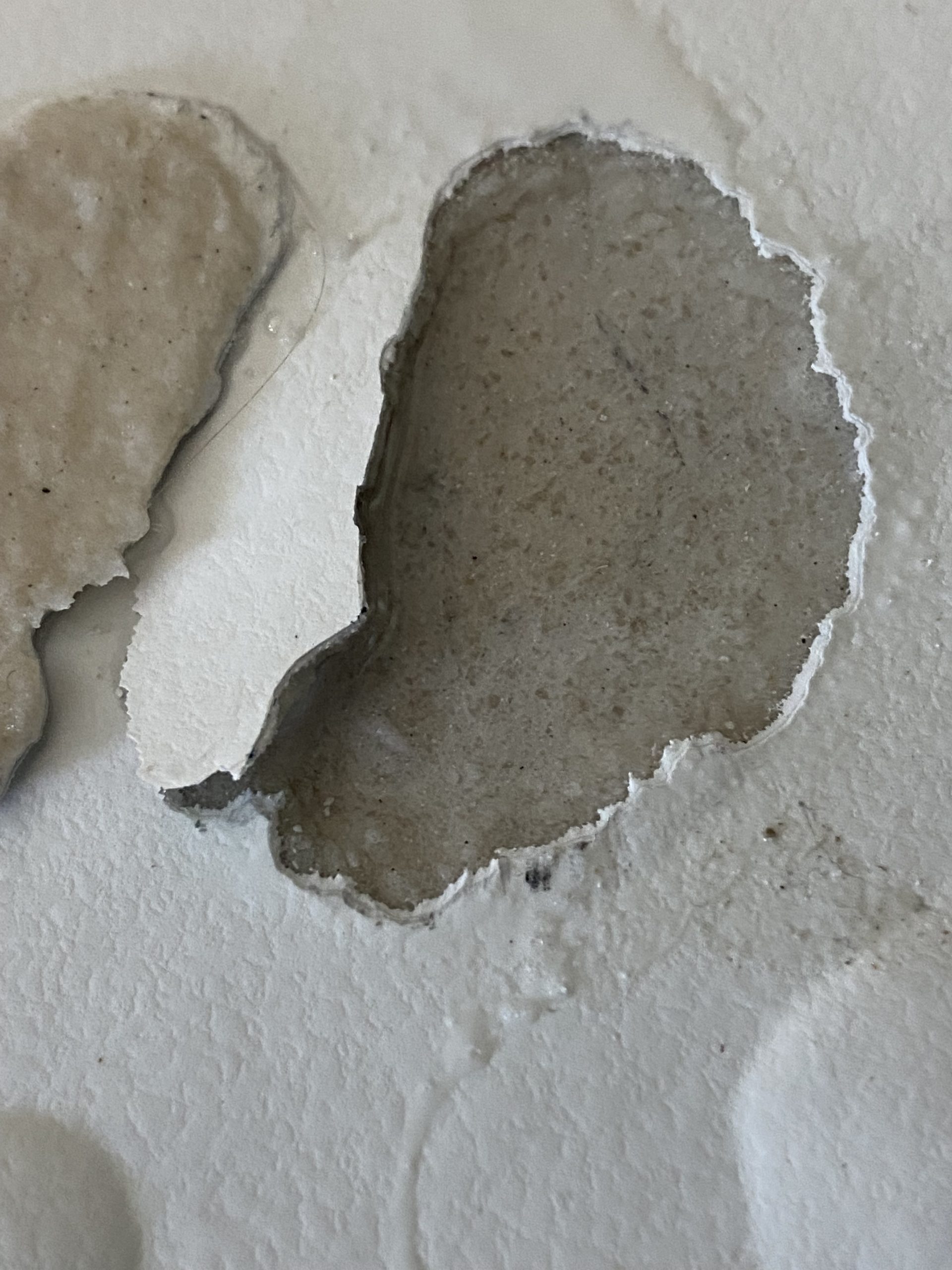
An assessment is an evaluation or inspection of a material’s physical condition. Another meaning is evaluating the condition of a situation. This can include looking at something carefully, or visiting a building site to check that everything is being performed correctly and legally.
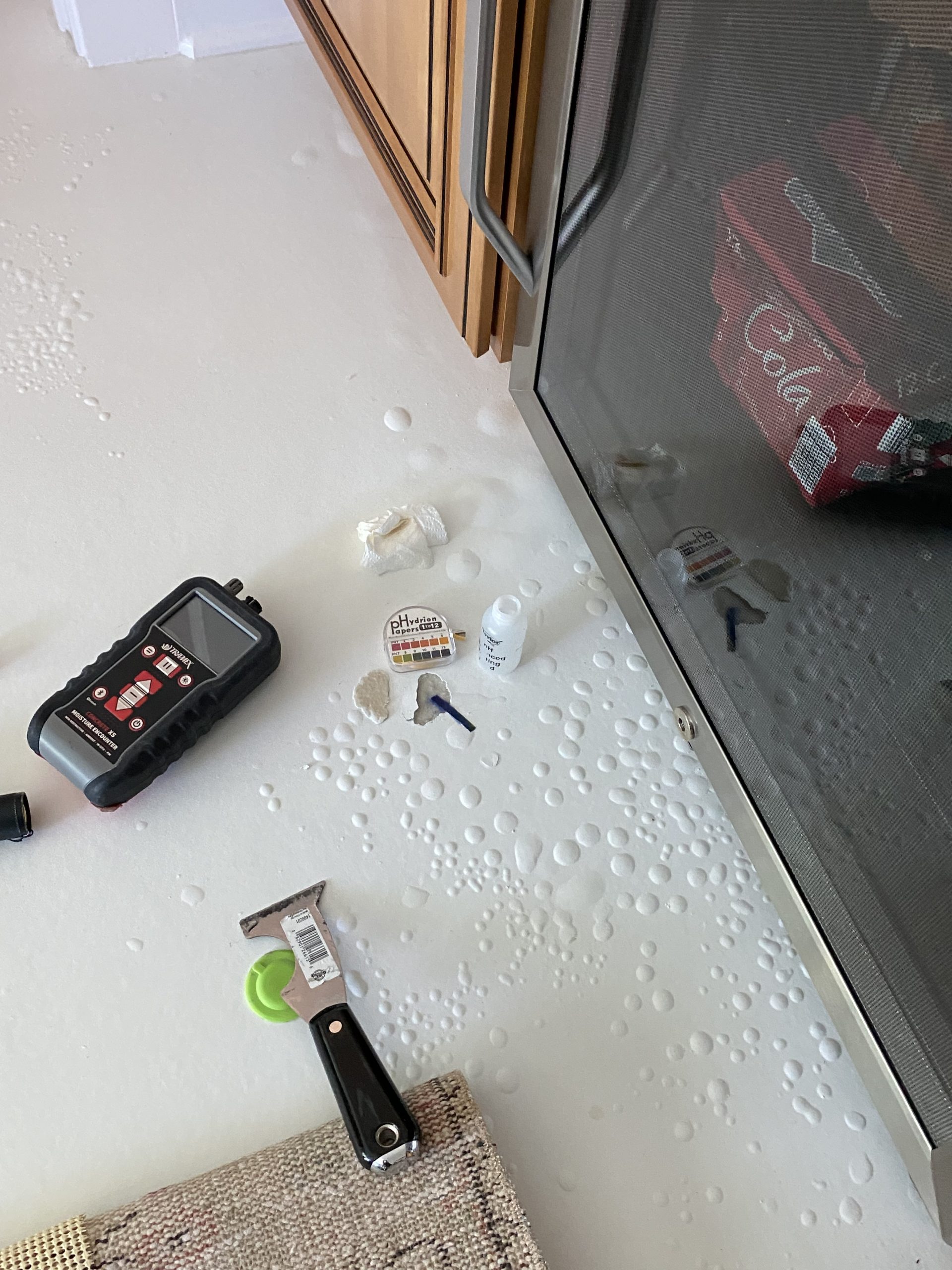 There is a major difference between the words “correct” and “legal.” Correct is often related to the assessment; that is, are the physical materials to be installed (and installed on) within the parameters of the scope of work? Legal usually refers more to local and national building codes, the site conditions and personnel safety, such as any PPE needed, and your proper credentials to perform on this site under a general contractor or owner.
The first phase of any project is a visual and physical review; if working from a set of plans, then this review is performed after the buildout. A disclaimer should be included in your contract bid, or at least a pre-loaded change order with a monetary value, if no review has occurred.
If the project is a renovation, a site review (assessment) is required prior to any monetary value submission. Your never know what’s underneath the existing flooring, what other trades will be working in your workspace, or the condition of the substrate to which you’ll be attaching the floor covering.
An assessment can include these points for review:
- Available electric as normal service, from a gang box or generator?
- Is water available if needed for mixing, setting or self-leveling materials?
- What is the access for your trucks, equipment, technicians and installers? Parking? Elevator service? Work hours/days/hours allowed to work on-site?
- Is the HVAC operational, and is it temporary or the final system? How will temporary HVAC effect the installation of flooring in regards to acclimation, substrate conditions and any moisture issues?
- What products are already specified and does the jobsite meet their requirements?
- What is the profile of the concrete or wood surface: flat, smooth, depressions, open seams filled and sanded, screw/nail heads showing, access panels, expansion joints?
- Does the substrate meet the flatness requirement of the new flooring?
- Has a moisture test been performed? Is there any remediation required?
- What is the joist/beam on center measurement?
- Is there a depression that will affect the flooring—such as plywood sag?
- Do the plans match the jobsite, and does your area of work match the plans?
- Are there any change orders made that will affect your scope of work?
Assessment of a jobsite is the first step in any evaluation of what is needed to perform your scope of work responsibly, intelligently and professionally with the resulting workmanship enabling the flooring to perform as designed.
 An assessment after the installation is completed is a time of action that will ensure your installation is up to standards. Consider the installation of a glue-down loop pile carpet. The impedance meters show an acceptable concrete moisture content, less than 4% to 5% on a meter. A judgment call needs to be made for performing further moisture testing to ASTM standards or re-specifying the adhesive to meet the moisture content. Another option is to go straight to a moisture barrier material or an epoxy coating.
Another example: resilient flooring is to be installed, the MC is in the 3% range, flooring can be sheet goods or planks, floating or glue-down. Open the conversation for moisture barrier application (as a type of insurance against possible failure) or go straight to a barrier application. Is grinding involved? Depressions in the substrate will need to be addressed.
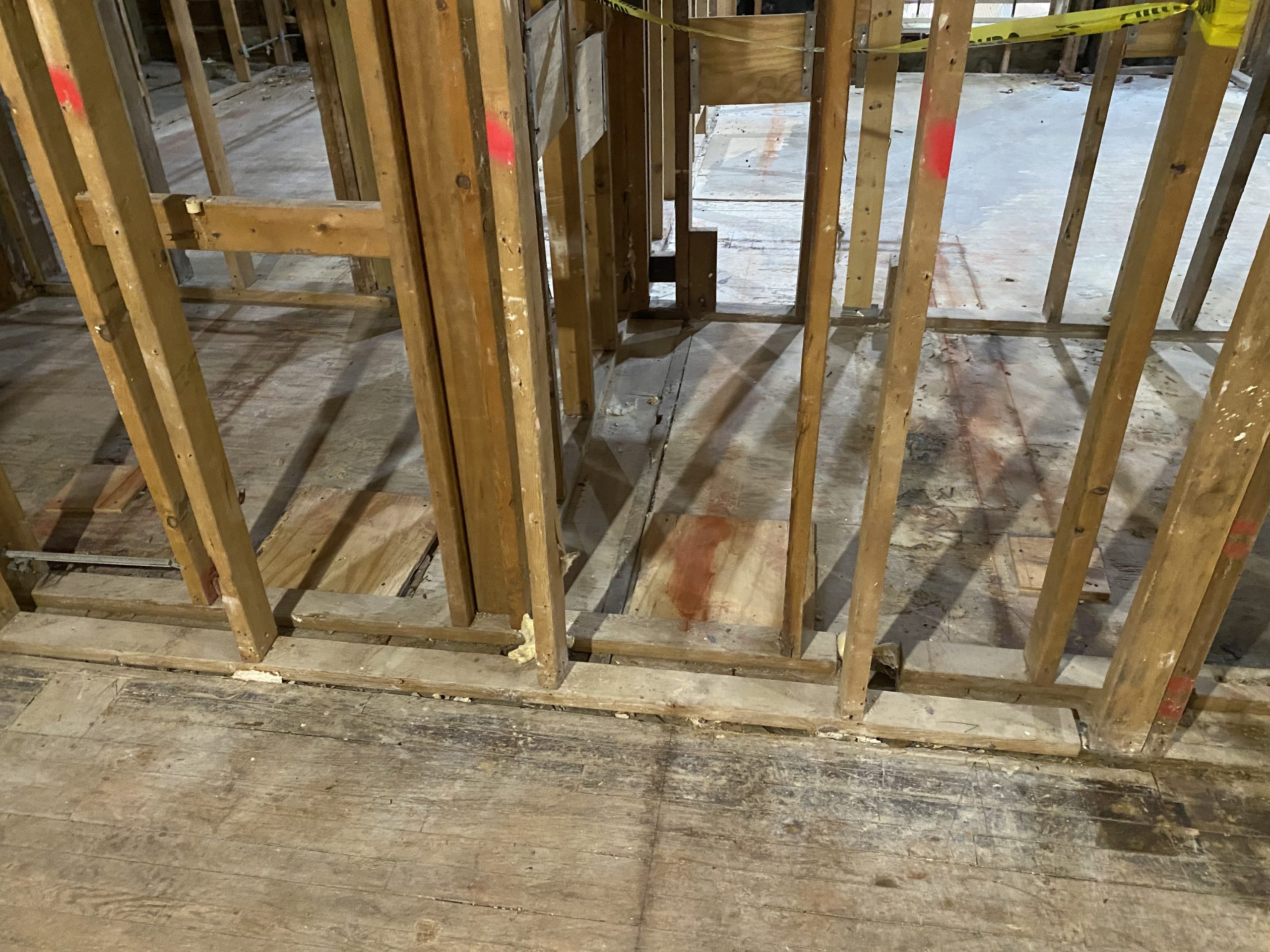 With ceramic tile, once it is determined a crack suppressant is to be used, you have actually crossed over into using a resilient product. Since the suppressant chosen in this example has a vinyl/rubber component backing and is a peel and stick, it should be treated as a type of resilient and will require moisture testing of some kind. Also the substrate will require a clean surface, so sweep, vacuum, or damp mop the surface and let it air dry.
All of these scenarios require the HVAC to be in operation. While the reading on an impedance meter is simply an indication of an issue and does not need an operational HVAC for accuracy, any other testing does require it.


