





By Elena Grant, assistant executive director of marketing, communications and public relations, NTCA
Tile installation has always been a profession built on skill, precision and pride in craftsmanship. But today’s installers are operating in a rapidly changing environment; one that demands they adapt faster than ever before.
Two challenges have been making their mark nationwide:
- A persistent labor shortage that’s stretching crews thin
- An influx of new materials and product technologies requiring specialized knowledge
Both issues impact productivity, profitability and ultimately the quality of work. But they also open the door to creative solutions and new approaches.
The Labor Shortage: Doing More with Less
Finding and keeping skilled tile setters has become one of the most pressing issues for contractors. The reasons are complex and include an aging workforce, fewer young people entering the trades and increased competition for talent from other industries.
The Impact on Contractors:
- Crew fatigue and burnout. Smaller teams mean longer hours and tighter schedules for the workers you do have.
- Turned-down projects. Contractors may decline work simply because there aren’t enough hands to get the job done.
- Training delays. With fewer workers, finding time to train new hires can be challenging, prolonging the skills gap.
- Meeting project demands. A lack of available subcontract labor makes it difficult to bridge the labor gap, when project demands exceed your in-house capacity.
Potential Solutions:
- Grow your own talent. Partner with local vocational schools, community colleges and workforce programs to create pathways into the trade. Offering apprenticeships can be a long-term win.
- Offer benefits such as health, dental, 401k etc. to retain and keep key employees.
- Crosstrain your team. Teaching installers to handle multiple roles adds flexibility to scheduling and workflow.
- Invest in efficiency. Tile leveling systems, modern cutting equipment and pre-mixed setting materials can help smaller crews maintain productivity.
- Highlight the trade’s value. Promoting the artistry, earning potential and stability of tile work can help attract new talent, especially younger workers looking for meaningful careers.
New Product Technologies: Opportunity and Risk

The tile industry has embraced product innovation in recent years, from gauged porcelain panels and the introduction of 2cm and 3cm porcelain tiles to advanced membranes, mortars and waterproofing systems. These products offer incredible design possibilities but come with a learning curve.
The Impact on Installers:
- Risk of improper installation. Without proper handling and setting techniques, high-value products can be damaged or fail prematurely.
- Increased costs. Mistakes with premium materials can mean expensive rework or wasted product.
- Bidding mistakes. Failure to understand the technology can lead to estimating errors, negatively impacting profitability.
- Missed bids. Some contractors avoid jobs with unfamiliar materials, limiting their growth.
Potential Solutions:
- Seek hands-on training. NTCA workshops, manufacturer-led sessions and regional events provide opportunities to work directly with new materials before using them on the job.
- Leverage manufacturer resources. Many suppliers offer jobsite support, technical hotlines and installation guides, so be sure to use them.
- Start small. Take on a smaller project to gain experience with a new product before tackling a large-scale project.
- Network with peers. Other contractors are often the best resource for learning how to navigate new product requirements successfully.
How These Challenges Intersect
Labor shortages and product complexity are closely linked. With fewer installers available, there’s more pressure to work quickly; but new materials require patience, precision and sometimes additional crew members with specialized skills. This creates a tension between schedule and quality that contractors must manage carefully. Those who invest in training and workforce development, even during busy seasons, position themselves to deliver better results and take on more diverse work.
The NTCA Connection
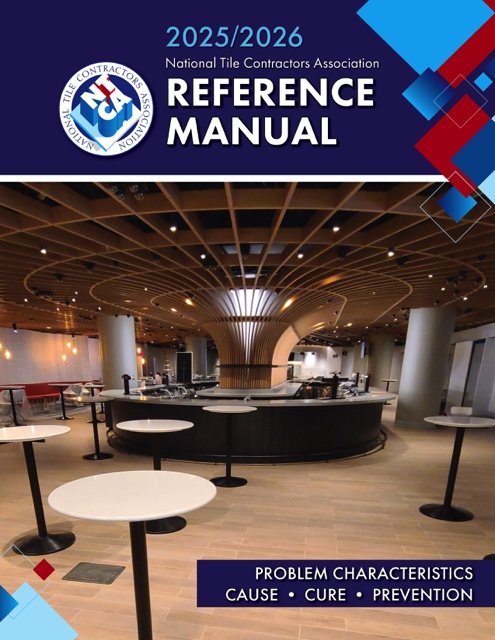
While there’s no single fix for these challenges, resources do exist to help contractors navigate them. The NTCA offers:
- More than 300 hands-on workshops and regional training programs annually covering everything from substrate prep to gauged porcelain panel installation.
- Technical support to help troubleshoot jobsite challenges.
- Networking opportunities with more than 1,600 tile contractors to share insights and solutions.
- The NTCA University to educate yourself and your team on industry standards. Use the courses to train your installers, or to develop your own apprenticeship program. You could even partner with other contractors in your area through NTCA University, to create a pool of installers through apprenticeship training.
Pairing these with your own outreach to schools, manufacturer training and peer connections creates a well-rounded approach that addresses both immediate and long-term needs.
Final Thoughts
The tile industry’s future depends on its ability to adapt to a changing workforce and evolving product technologies. Installers who embrace ongoing learning, invest in efficient tools and actively work to bring new talent into the trade will be best positioned for success. While the challenges are real, so are the opportunities for growth, innovation and raising the bar on craftsmanship.
For those not yet involved with NTCA, there’s never been a better time to join. With technical guidance, peer support and tangible cost-saving programs, membership is more than an investment in your business; it’s an investment in the future of our craft. Learn more at www.tile-assn.com or contact jim@tile-assn.com for membership information.


